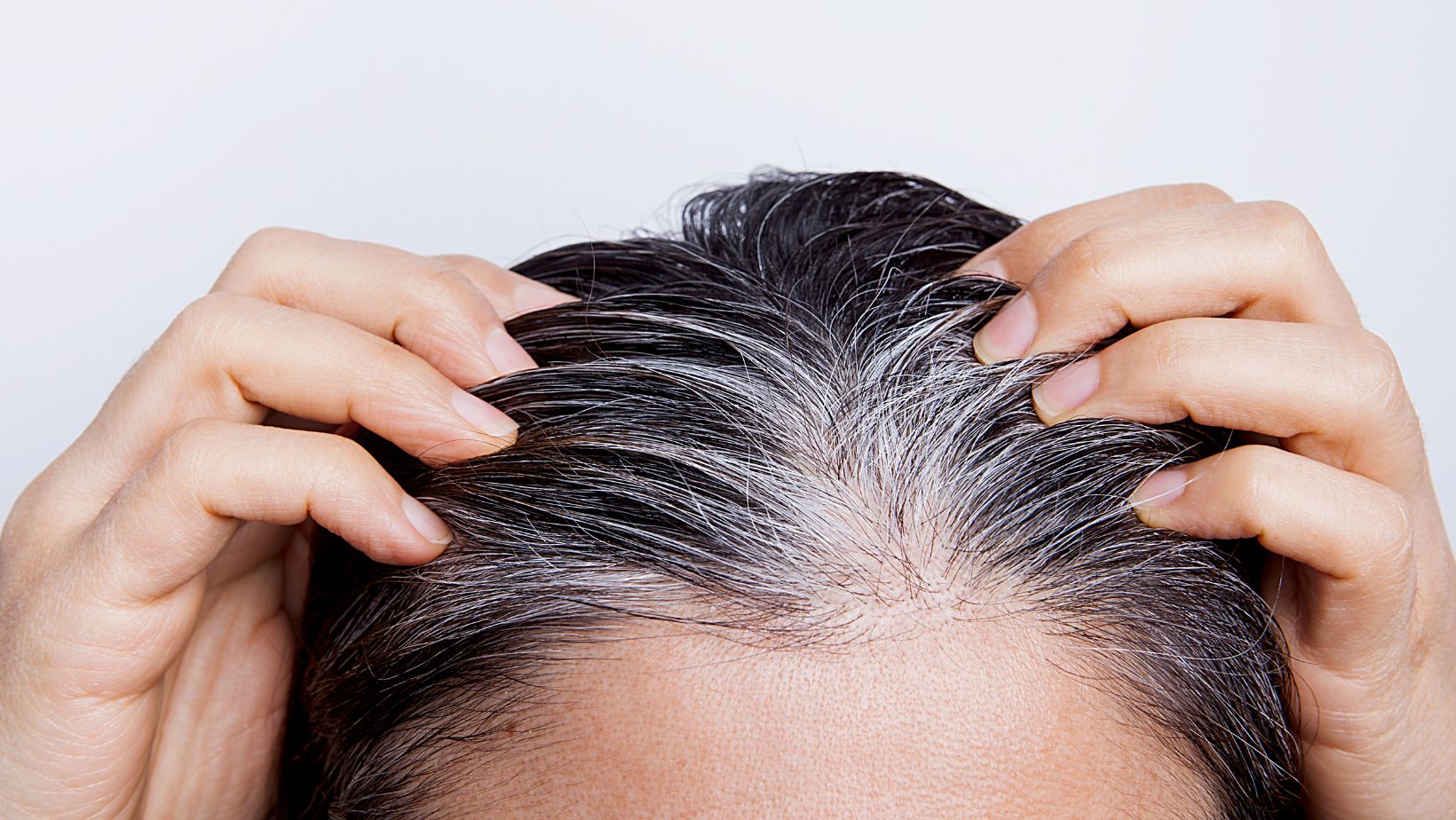
Hair thinning affects millions of people worldwide and can happen for a variety of reasons — genetics, aging, hormonal imbalances, nutrient deficiencies, stress, and environmental damage. Recent research and hair science have provided new insights into hair thinning solutions that actually work.
This article explores proven treatments, natural remedies, and lifestyle changes to restore thickness, strengthen strands, and improve scalp health. From nutrient-rich oils to modern trichology practices, these solutions are designed to address the root causes of thinning hair and promote long-term regrowth.
Understanding Why Hair Thins
To address hair thinning effectively, you first need to understand the main reasons it happens. Hair grows in cycles — anagen (growth), catagen (transition), and telogen (rest). Thinning occurs when the growth phase shortens or when more follicles remain in the resting phase.
Common triggers include:
- Hormonal shifts (e.g., menopause, postpartum, thyroid conditions)
- Genetic predisposition (androgenetic alopecia)
- Nutrient deficiencies (iron, protein, vitamin D, zinc)
- Stress and illness (which can cause telogen effluvium)
- Poor scalp health from buildup or inflammation
The most effective hair thinning solutions work by extending the growth phase, reactivating dormant follicles, and improving scalp circulation.
Scalp Care as the Foundation of Hair Thinning Solutions
A healthy scalp is essential for healthy hair. Experts emphasize that treating the scalp like skin care — cleansing, exfoliating, and moisturizing — can significantly impact hair density.
Practical Scalp Care Tips:
- Use a sulfate-free shampoo to avoid stripping natural oils.
- Massage your scalp for 5 minutes daily to increase blood circulation.
- Exfoliate with a scalp scrub or chemical exfoliant once a week to clear buildup.
Scientific Insight: A 2016 Eplasty study found that daily scalp massages led to thicker hair in participants after 24 weeks, due to increased blood flow to follicles.
Nutrient-Rich Oils for Hair Strength and Regrowth
Among all topical treatments, plant-based oils remain one of the most effective natural remedies for hair thinning. Batana oil, in particular, is gaining global attention for its ability to deeply nourish hair and improve scalp health.
Why Batana Oil Works for Thinning Hair:
- Rich in oleic and linoleic acids, which strengthen hair strands.
- Contains antioxidants that combat oxidative stress, a major cause of follicle damage.
- Helps repair damaged cuticles and encourages dormant follicles to reactivate.
How to use: Warm a few drops, massage into the scalp, and leave for 30–60 minutes before washing. For a more intensive treatment, leave overnight.
For a premium and sustainably sourced option, you can try pure batana oil from Keyoma, a brand known for quality hair wellness products.
Nutrition-Based Hair Thinning Solutions
Hair is made primarily of protein, so your diet has a direct impact on growth and thickness. Nutritional deficiencies can accelerate thinning, while a nutrient-rich diet can help restore fullness.
Foods That Promote Thicker Hair:
- Proteins: Eggs, fish, poultry, lentils
- Iron sources: Spinach, pumpkin seeds, lean red meat
- Vitamin C: Oranges, strawberries, bell peppers
- Zinc: Oysters, cashews, chickpeas
- Omega-3 fatty acids: Salmon, walnuts, flaxseeds
If diet alone can’t fill nutritional gaps, consider targeted supplementation. Brands like Keyoma offer products that support hair and scalp health.
DHT Blockers: Preventing Follicle Shrinkage
One of the primary causes of hair thinning — especially in androgenetic alopecia — is dihydrotestosterone (DHT), a hormone that causes follicles to shrink over time. Natural DHT blockers are widely used as part of hair care routines.
Examples of Natural DHT Blockers:
- Pumpkin Seed Oil: Studies show it can improve hair density in men with pattern hair loss.
- Green Tea Extract (EGCG): Inhibits DHT and reduces follicle damage.
- Saw Palmetto: A herbal extract proven to lower DHT levels naturally.
These can be taken orally as supplements or applied topically in hair care formulations.
Herbal Remedies with Backed Evidence
Several herbs have been shown to stimulate hair growth and improve scalp health:
- Rosemary Oil: In a 2015 study, it was found to be as effective as 2% minoxidil in promoting regrowth.
- Fenugreek Seeds: Rich in proteins and compounds that strengthen hair.
- Aloe Vera: Soothes scalp inflammation and hydrates skin around follicles.
To use rosemary oil: Dilute 3–4 drops in a carrier oil like coconut or batana oil and massage into the scalp twice weekly.
Lifestyle Adjustments for Better Hair Density
Lifestyle factors play a big role in how your hair looks and grows.
- Reduce Stress: Chronic stress increases cortisol, which disrupts the hair growth cycle. Try yoga, meditation, or deep breathing exercises daily.
- Get Adequate Sleep: 7–8 hours of quality rest supports hormonal balance and cellular repair.
- Stay Hydrated: Water helps transport nutrients to the scalp and prevents dryness.
Scientific Note: A 2020 Nature study confirmed that stress hormones can inhibit hair follicle stem cell activity, delaying regrowth.
Protecting Hair from Damage
Environmental factors and styling habits can make hair thinning worse. Protecting your hair is just as important as stimulating growth.
Protection Strategies:
- Wear a hat or scarf in strong sunlight.
- Avoid excessive heat styling and always use a heat protectant spray.
- Switch to gentle hairstyles that do not pull on the scalp.
Monitoring and Tracking Your Progress
Keeping track of your hair thinning solutions helps you see what’s working and make adjustments. Take monthly photos, measure hair length, and note any changes in thickness.
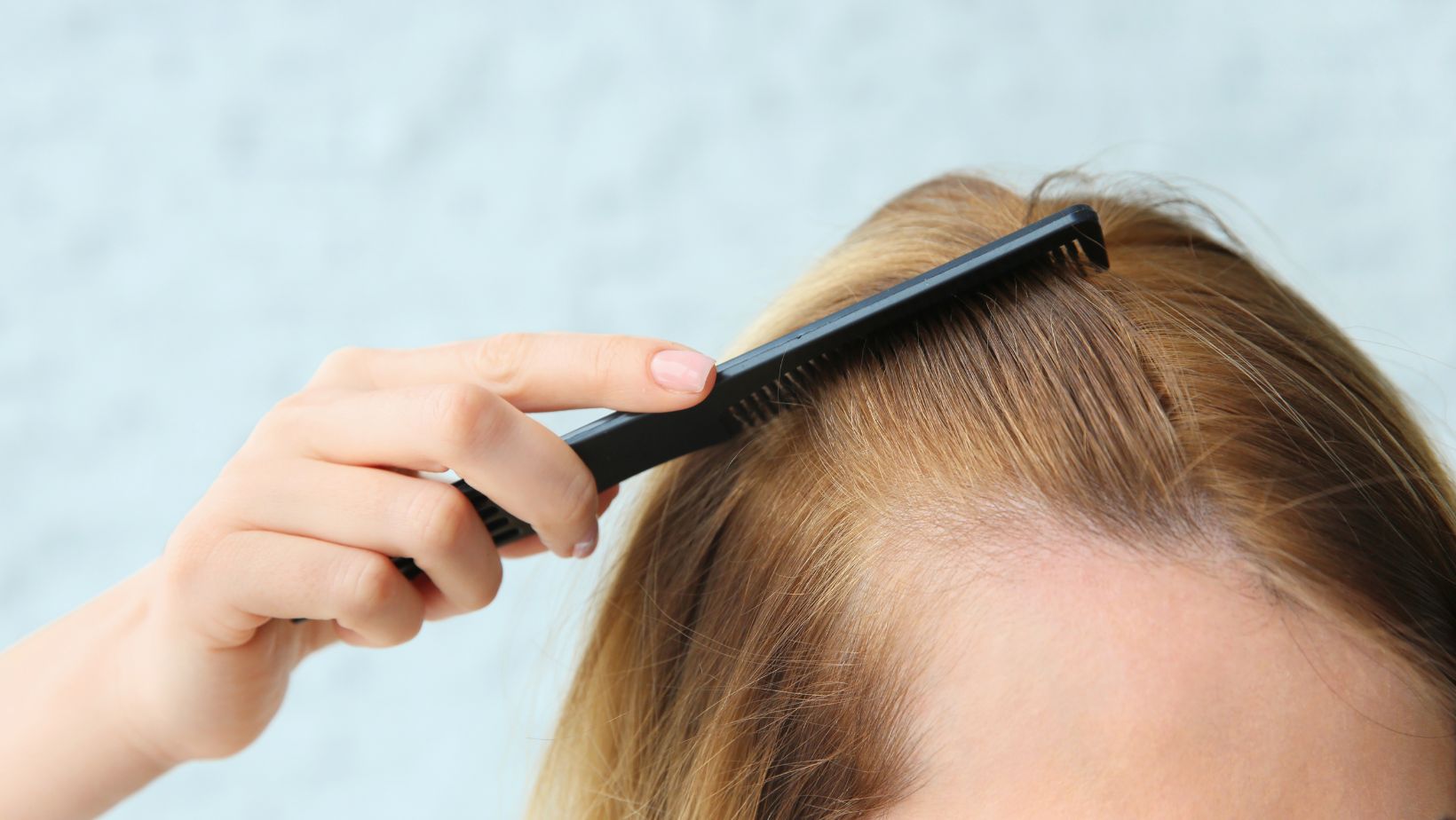
For detailed self-care routines and practical tips, you can check this resource on hair growth for step-by-step approaches you can try at home.
When to See a Professional
While home remedies and over-the-counter solutions can work, some cases of hair thinning need professional evaluation. See a dermatologist or trichologist if:
- Hair loss is sudden or patchy
- You have scalp redness, itching, or pain
- Hair thinning continues despite treatment
They can run blood tests, check for hormonal imbalances, and suggest targeted medical treatments.
The Bottom Line on Hair Thinning Solutions
The most effective hair thinning solutions combine scalp health practices, nutrient-rich diets, targeted topical treatments like batana oil, and lifestyle changes that reduce stress and environmental damage.
The key is consistency — most natural and topical remedies take at least 3–6 months to show visible results. By addressing both internal and external factors, you can slow down thinning, restore thickness, and enjoy healthier, more resilient hair over time.