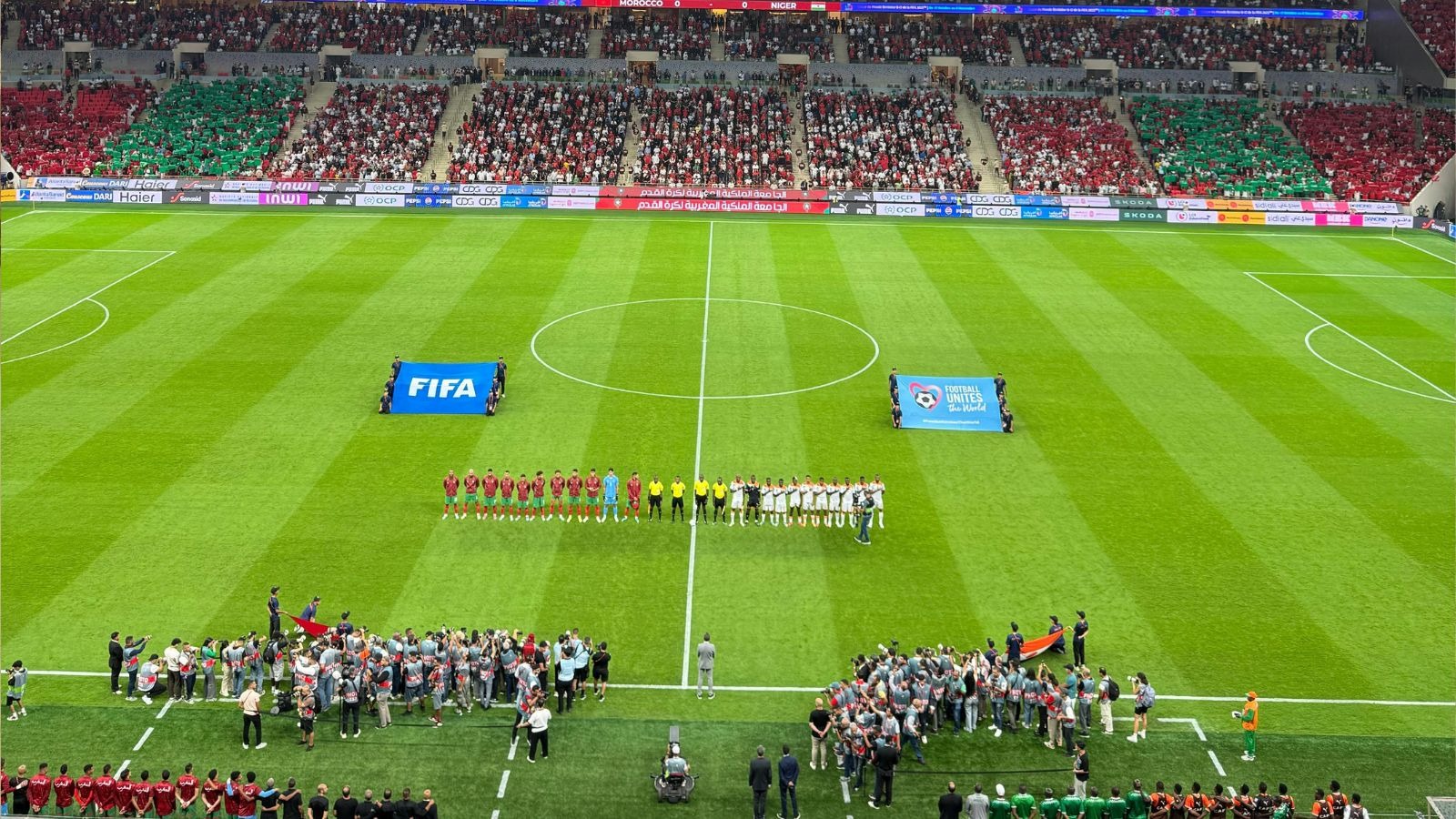
The 2026 FIFA World Cup is gearing up to be the biggest event in soccer history, featuring 48 teams, 104 matches and millions of fans across the United States, Canada and Mexico. Behind the packed stadiums and roaring crowds, technology is quietly stepping up as one of the tournament’s key players.
Every World Cup leaves behind its own unique memory. In 2010, there was the relentless buzz of the vuvuzelas. In 2014, goal-line technology finally made its mark. By 2022, semi-automated offside systems and advanced player tracking had become regular talking points during matches. Now with the 2026 FIFA World Cup, technology is set to power nearly every part of the tournament.
The sheer size is staggering. FIFA estimates more than 6 million fans will attend across 16 host cities. Global viewership might even hit 5 billion cumulative viewers during the event, according to FIFA forecasts. Pulling off something this big wouldn’t be possible without advanced digital systems, real-time analytics and smarter infrastructure.
Table of Contents
ToggleBigger tournament, bigger tech challenges
For the first time, the 2026 tournament will host 48 national teams instead of 32. More teams mean more matches, more travel and a whole lot more logistical headaches. To keep things on track, organizers are relying on powerful data systems that process massive streams of information in real time. Transportation networks in host cities are already testing smart traffic management to ease up congestion when matches are underway.
Stadium connectivity is another big priority. In 2022, stadiums handled over 20 terabytes of mobile data traffic during major games. Now, with even larger crowds and greater demand for streaming, analysts expect those numbers to climb. Fans want instant highlights, live stats and social updates straight to their phones, even while sitting in the stands. That takes serious back-end infrastructure.
The fan experience is becoming more interactive
Technology isn’t just changing things for stadium-goers. It’s transforming how people watch at home, too. Streaming platforms now offer multiple camera angles, real-time stats and instant replays right to your phone. Fans can follow tactical breakdowns, possession maps and even shot-speed data as games unfold.
Fantasy contests, prediction games and live polls; all these add an interactive twist to watching the Cup. Many fans also dive into online entertainment platforms tied to the tournament vibe. Think sports betting on the World Cup qualifier, live wagering, virtual sports and casino-style games like poker, blackjack and slots, all rolled into one spot.
Data is changing the way teams prepare
Soccer’s hooked on analytics now, and the World Cup pushes those systems harder than ever. National teams track nearly every move their players make during training. Wearable tech monitors sprint speed, acceleration, heart rate, recovery and fatigue. Coaches use all that info to avoid injuries and fine-tune how players prepare.
Video analysis has come a long way, too. Coaches review thousands of clips to break down opponent patterns, pressing systems and set-piece routines. Analysts spot trends today that would have taken weeks to discover back then.
Match officiating keeps evolving
Ref tech is still one of soccer’s hottest debates, but it’s become part of the game. Goal-line technology works with incredible accuracy; it can confirm whether the ball crossed the line with fractions of an inch to spare. Semi-automated offside systems will play a big role again in 2026 after making waves at previous tournaments.
These setups use a mix of tracking cameras and ball sensors to monitor player positions at lightning speed. The technology processes millions of data points per match.
Stadium security is smarter than ever
Security for something as colossal as the World Cup takes massive coordination. Modern stadium security leans on intelligent monitoring to read crowd movement and pick out unusual behavior. Entry systems have improved a ton over the past few years.
Digital ticketing is expected to take over at the 2026 event. It’s helping organizers fight counterfeits and manage crowd access better.
Travel, weather and logistics depend on real-time information
The 2026 Cup spans three countries and a mix of climate zones. That poses some wild logistical puzzles. Teams can move from humid Mexican summers to the scorching heat in Texas, to the cool northern U.S. cities in just a few days. Advanced weather forecasts help them gear up for those shifts.
Coordinating air travel is also more sophisticated. Real-time scheduling helps teams, officials and media groups zip between host cities. Fans benefit as well. Tournament apps now give live travel updates, stadium entry info and emergency alerts on the spot.
Tech is running the game
The 2026 FIFA World Cup will still be about jaw-dropping goals, emotional moments, and die-hard fans. That’s always been true. But a lot is changing behind the scenes.
Technology is helping organizers handle a tournament on a scale soccer’s never seen. It’s sharpening player prep, improving refereeing, boosting security and totally reshaping how fans enjoy the event from anywhere.