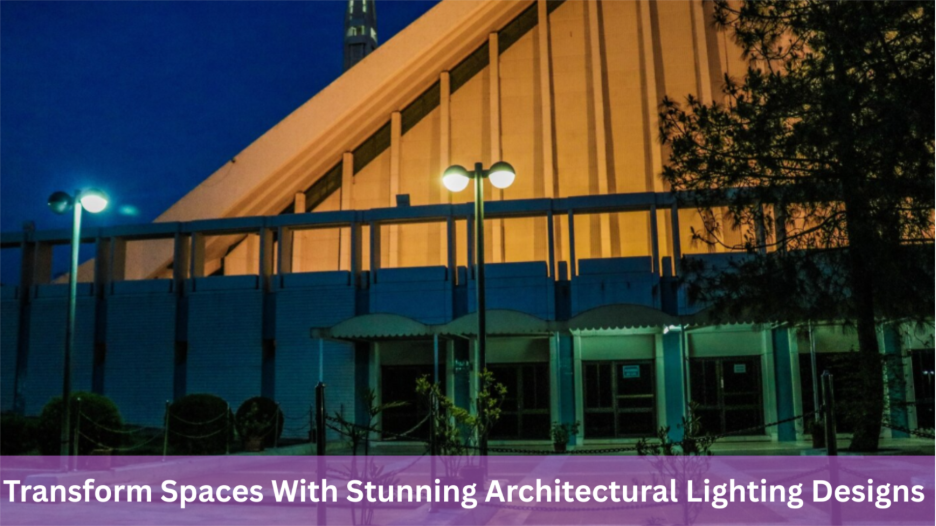
Several spaces that seem fully furnished can still feel unbalanced or inconvenient in case of poor lighting design. As an example, dark corners, uneven brightness, and unlit areas in outdoor environments may make even well-adorned spaces unwelcoming.
Although landscaping, building finishes, and exterior materials help in appearance, they cannot compensate for inadequate outdoor lighting. Conversely, lighting that is excessive or too sharp may result in glare, discomfort, and visual fatigue in pathways or public areas.
As light tends to play a role in the way we perceive, navigate, and use outdoor spaces, it is more significant than a wide range of other design aspects. Thus, spaces become balanced, transparent, and warm when lighting is carefully incorporated with architecture.
Besides, planning enhances usability, highlights details, and maintains comfort. The article describes the use of architectural lighting design in transforming spaces in terms of structure, balance, and longevity.
1. Integration Of Lighting That Defines Spaces
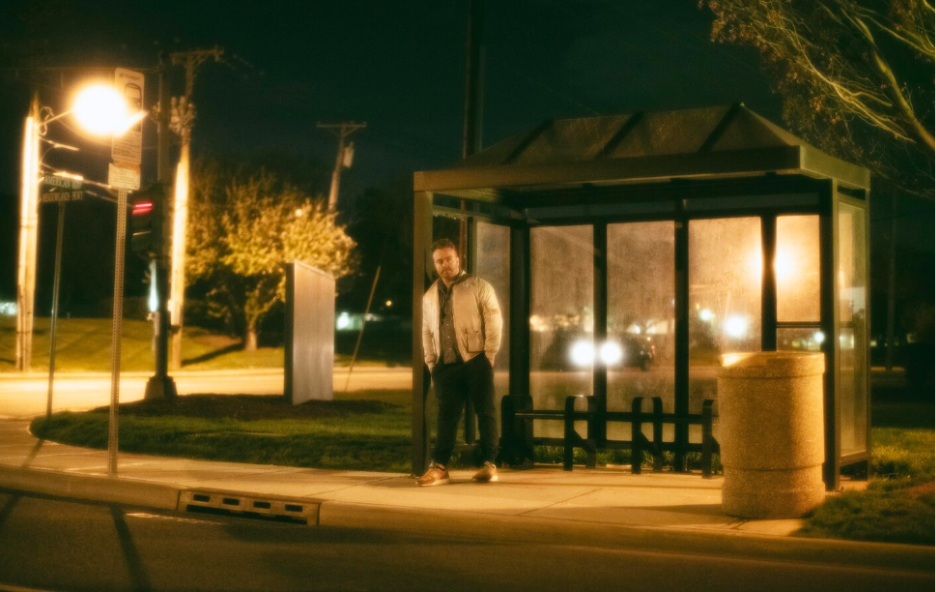
Architectural lighting is most effective when it is incorporated into the building or landscape design instead of being implemented afterward. Installations along building façades, pathways, steps, walls, or transitions help outdoor areas feel organized and purposeful, directing movement naturally and enhancing general flow.
Integrated lighting emphasizes textures, surfaces, and architectural shapes without cluttering the visuals. Moreover, using integrated lighting minimizes the use of over-the-top decorating fixtures, making the area both clean and functional.
Through pre-planned outdoor lighting, spaces are made attractive and facilitate usability and comfort. Early integration makes sure the focal areas and circulation paths are clear, thereby increasing orientation and experience.
Thus, the introduction of lighting into architecture transforms spaces, making them clear, convenient, and appealing.
2. Layered Illumination That Adds Depth and Comfort
A single source of light is seldom sufficient to fill an outdoor space, hence layered illumination is necessary. General or area lighting ensures overall visibility across walkways, plazas, and landscape areas, but alone it can make the environment feel flat.
Task or functional lighting focuses on paths, steps, or outdoor work areas, enhancing safety and usability. Accent lighting highlights facades, trees, sculptures, or other architectural features, adding visual interest and hierarchy.
Layered lighting also reduces contrast between bright and dark areas, lessening glare and improving navigation at night. When combined, these layers make outdoor spaces safer, inviting, and visually appealing.
Ultimately, layered illumination balances aesthetics and functionality in exterior environments.
3. Placement Of Light That Reshapes Perception
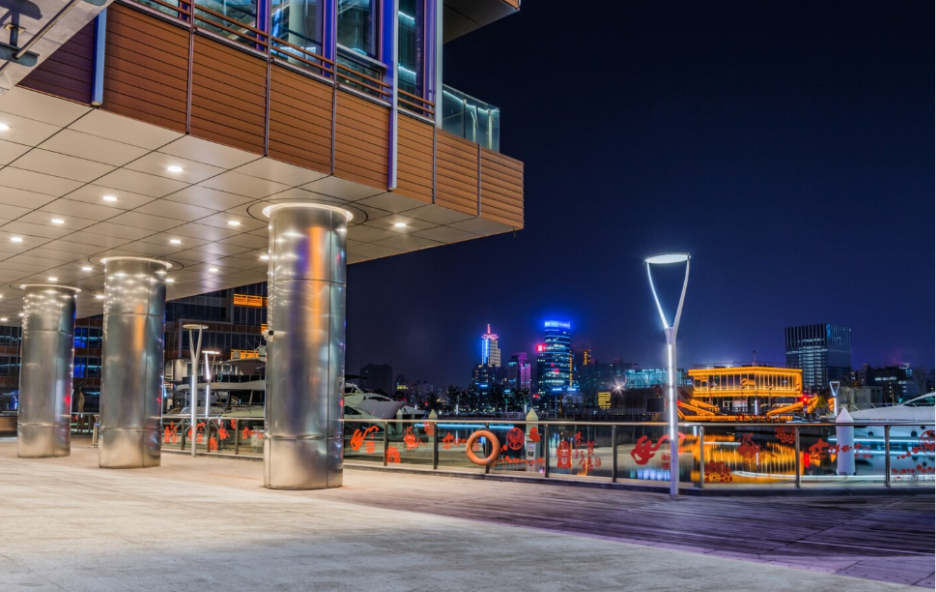
The placement of lighting has a strong influence on the perception of an outdoor space. Lighting on the wall, facade, or trees may create a sense of elevation and drama within spaces, while perimeter or pathway lighting may increase the perceived openness and visibility.
Poor positioning may result in shadows, glare, or uneven brightness, making the areas uncomfortable or unsafe. Close consideration of the angle of the fixtures, their height, and intensity is thus critical.
Directional fixtures on significant features emphasize the highlights of the architectural and landscape features, which are illuminated by concealed uplights and bollard lighting.
Considerate positioning is done to ensure that there is little glare and the routes are navigable. Outdoor lighting with appropriate placement transforms the sense of place, which makes open areas safer, welcoming, and pleasing to the eye.
4. Coordination Of Light with Materials and Surfaces
Light does not reflect equally on all exterior surfaces, and hence, coordination is important. There are wood decks, stone walls, concrete paths, glass panels, and metal fixtures reacting to the light in different ways.
Textures, patterns, and architectural details are made evident and attractive when the lighting is adjusted to these materials. It depends on color temperature: warm colors are more suitable for natural stone and wood, whereas cold colors correspond to metal or modern finishes.
Ignoring material properties can create glare, harsh reflections, or dull areas. Proper coordination ensures every surface is highlighted appropriately, creating a cohesive, polished, and safe outdoor environment that enhances both function and visual impact.
5. Human-Focused Lighting That Supports Navigation and Safety
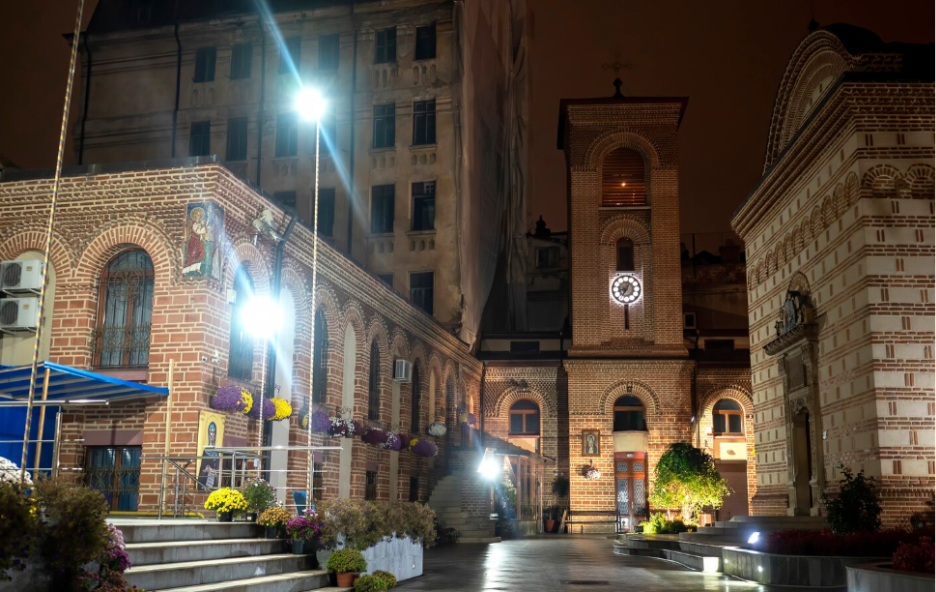
Outdoor lighting is to add utility and comfort rather than to bring inconvenience. Brightness or a clear line of vision may be affected by glare or lamps that are not evenly spaced or positioned at extreme points on the pathways or steps.
Human-centered lighting is concerned with safety and is also aesthetically pleasing. The use of indirect lighting on walkways, stairs, or ramps will decrease severe shadows and glare and enable the use of varying brightness to provide areas with suitable illumination depending on the use or activity.
Properly designed lighting also enhances navigation and sight for pedestrians or vehicles. Comfort, functionality, and aesthetics collectively make outdoor spaces accessible, friendlier, and also secure in the dark.
Considerable lighting that is people-friendly enhances simple exteriors to functional, attractive, and safe places.
6. Efficient Lighting That Delivers Long-Term Value
Outdoor lighting systems must be efficient and durable to provide long-term value. High-performance fixtures reduce energy consumption while maintaining quality illumination. Proper placement ensures light is directed only where needed, minimizing waste.
Daylight integration or dimming controls further reduce reliance on artificial lighting, saving energy. Durable, weather-resistant components and accessible fixtures lower maintenance requirements. Planning for adaptability ensures lighting can accommodate future landscape or architectural changes.
When efficiency, durability, and flexibility are prioritized, outdoor lighting continues performing effectively over time. Well-designed systems enhance safety, usability, and aesthetics, providing sustainable and functional illumination for years.
Conclusion
Architectural lighting transforms outdoor spaces by improving visibility, safety, and aesthetic appeal. Integrated fixtures create organized, inviting areas, while layered illumination adds depth and highlights architectural and landscape features.
Thoughtful placement reshapes perception, and coordination with materials enhances texture and detail. Human-centered design ensures safety and usability, while efficient, durable systems maintain performance and reduce energy use.
Instead of serving as decoration alone, outdoor lighting becomes a functional, structural tool that improves both form and function. With careful planning, exterior spaces become visually appealing, safe, and comfortable for all users.