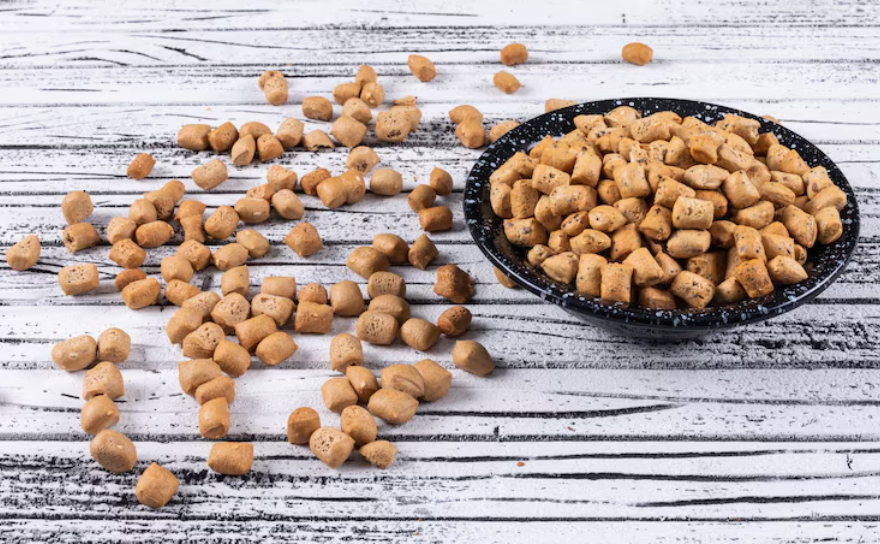
Choosing the right dog food formula isn’t a “one size fits all” task. Dogs go through distinct life stages puppy, adult, and senior, and each stage comes with specific nutritional requirements.
This guide breaks down the most common formulas designed for different life stages. It explains how they differ, why that matters, and what to consider when choosing the formula that fits your dog’s age, activity level, and overall health.
How Life Stage Impacts Nutritional Needs
Your dog’s body changes over time; metabolism, digestion, immune function, and activity levels all shift as they age. Food that supports growth in a puppy may be too rich for a sedentary senior; food that keeps an adult dog healthy might not provide enough calories for a working breed.
Understanding life stage formulas helps you make thoughtful decisions when comparing dog food options.
1. Puppy Formulas
Puppies need nutrient-dense food to support rapid growth and development. Puppy formulas typically have:
- Higher calories per cup
- Greater protein levels
- Balanced calcium and phosphorus for bone development
These formulas support brain development and immune function, and they’re often easier to digest.
Best For:
- Puppies up to about 1 year (varies by breed)
Considerations:
Too many calories without controlled portions can lead to rapid weight gain, which can impact joint health.
2. Large Breed Puppy Formulas
Large-breed puppies benefit from formulas that control growth rates. Excessively fast growth can strain developing joints and bones.
Large breed puppy formulas still provide essential nutrients, but they balance calories and minerals to support gradual development.
Best For:
- Breeds like Labrador Retrievers, Great Danes, or German Shepherds
3. Adult Maintenance Formulas
Adult formulas are designed to sustain health once major growth has completed.
They typically offer:
- Balanced protein
- Moderate fat
- Essential vitamins and minerals
These formulas help maintain lean muscle mass, support digestion, and fuel regular activity.
Best For:
- Adult dogs (approximately 1–7 years, depending on breed and size)
4. High-Activity or Performance Formulas
Some adult dogs lead highly active lives, working dogs, athletic breeds, or those with long daily exercise routines. High-activity formulas have increased calories and protein to meet their energy demands.
Best For:
- Sport or working dogs
- Dogs that get more than the average exercise
5. Weight-Management Formulas
Weight-management formulas are lower in calories and often higher in fibre. These help dogs feel full while reducing caloric intake.
Obesity is a common concern in adult dogs, so formulas that help manage weight play an important role in long-term health.
Best For:
- Overweight or less active adult dogs
6. Senior Formulas
Senior dogs benefit from nutrients that support joint health, cognitive function, digestion, and immune response.
Senior formulas may include:
- Glucosamine and chondroitin for joints
- Antioxidants for immunity
- Moderate calories to prevent weight gain
Best For:
- Dogs over 7 years (varies by breed)
7. Sensitive Skin and Stomach Formulas
Dogs with sensitivities often need formulas that avoid common allergens and include easily digestible proteins and carbs. These formulas can help reduce gastrointestinal upset and skin irritation.
Key Features:
- Limited ingredient lists
- Novel proteins (like duck or fish)
- Gentle carbohydrates
Best For:
- Dogs with allergies or digestive challenges
8. Breed-Specific or Size-Specific Adult Formulas
Breed-specific formulas adjust kibble size, calorie density, and nutrient balance for particular breeds’ needs. Small breeds often require calorie-dense food with smaller kibble, while large breeds benefit from formulas that support joint health and slower digestion.
These tailored approaches help match nutrition to physical differences between breeds and sizes.
9. Transitional and Mixed-Life Stage Formulas
Some formulas are designed to suit dogs at transitional ages between puppy and adult, or adult and senior. These hybrid options often provide balanced nutrition without extreme adjustments.
They’re useful when:
- You’re unsure of the exact life stage cutoffs
- Your dog transitions slowly between stages
How to Think About Switching Formulas
Switching food formulas should be done gradually, typically over 7–10 days, to avoid digestive upset. Start by mixing a small amount of the new formula with the old, then increase the new portion over time.
Consider factors like:
- Coat condition
- Stool quality
- Energy levels
- Weight stability
These real-world indicators help you assess whether a formula suits your dog.
Ingredients and Formula Quality
Life-stage formulas vary widely, not just in nutrient profile but in overall quality. Ingredient quality matters. Look for:
- Named proteins
- Whole-food carbohydrates
- Healthy fats
- Digestive support, like fibre and probiotics
These elements play into how well a formula supports your dog’s life-stage needs.
This is similar to evaluating accessories and lifestyle items for your pet. For example, thoughtful design and material choices from brands like canada pooch may complement your feeding habits by supporting comfort and activity, both of which influence how much and what type of food your dog needs.
What About Other Pet Foods?
While dog formula comparison focuses on dogs specifically, many pet parents also manage other animal diets. Whether it’s nutrition for your dog or careful selection for other pets, like understanding different formulas in products such as orijen cat food the same mindset applies: focus on life stage, nutrient balance, and ingredient transparency.

Practical Tips for Choosing Formulas
Instead of chasing headlines or “top lists,” consider:
- What life stage is your dog in?
- How active is your dog day-to-day?
- Does your dog have sensitivities or special needs?
- How does the formula fit your routine and budget?
Evaluating these factors helps you focus on practical choices rather than trendy ones.
Final Thoughts
Different life stages require different nutritional support. Understanding what each formula offers and how it aligns with your dog’s unique needs puts you in control of your feeding decisions.