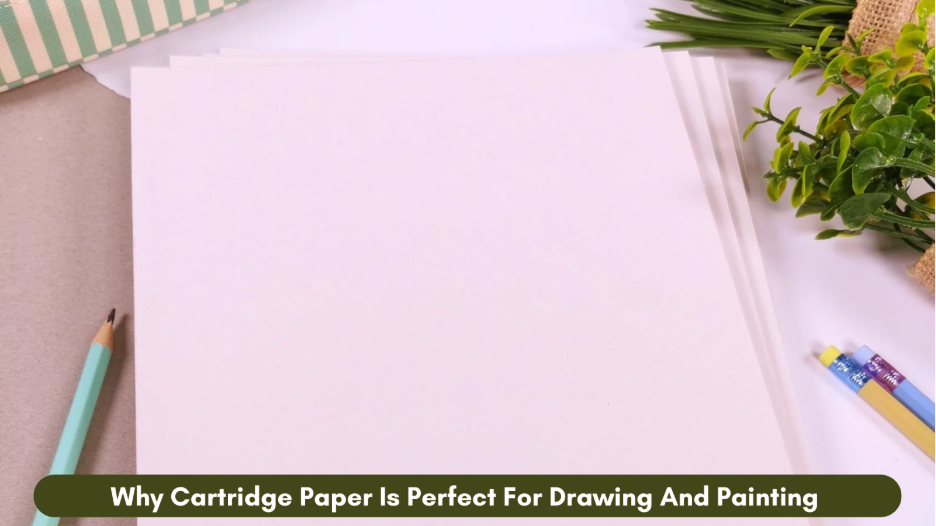
You sit down to draw or paint, but the paper folds, the ink bleeds, or the color does not come out evenly. Instead of working on your idea, you struggle with the paper itself. Some sheets wrinkle when pressed, and others cannot hold pigment or confine detail, which affects the final finish of your artwork.
This is where the cartridge paper makes a difference. It has earned a permanent place in studios and classrooms since it offers a reliable performance in both drawing and painting.
You can draw with a pencil or get your many layers of ink, charcoal, or watercolor, but this surface provides an adequate mix of strength, texture, and absorbency. It holds its shape even through all the erasing, blending, and light washes, thus keeping your process smooth and uninterrupted.
The following sections explain how these characteristics combine to make cartridge paper a reliable surface to handle all your creative endeavors.
1. Surface Strength For Dry and Wet Media
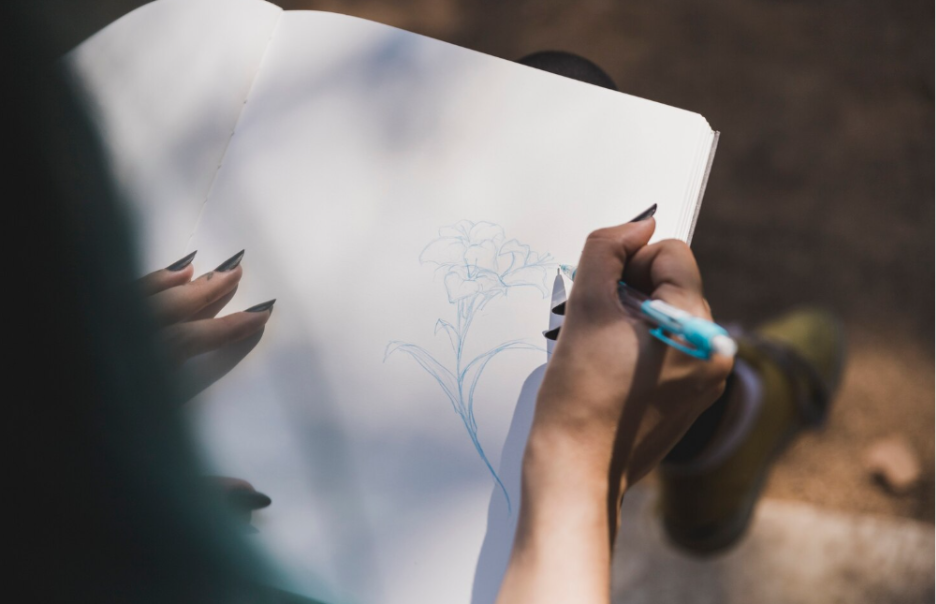
Cartridge paper is an excellent paper to use in drawing and painting because its fiber structure resists wear under pressure and moisture. It does not tear or become rough from using pencils, charcoal, or hard strokes using ink pens, as compared to thin sketch paper. This enables you to put pressure without damaging the surface.
Simultaneously, the paper is better at dealing with water-based media than lightweight sheets. The fibers do not swell or break apart when you apply watercolor, ink wash, or diluted acrylic. This ensures that the surface does not become soft and uneven.
Due to such stability, lines are never blurred, and washes stay where you place them. Pigment does not diffuse or penetrate the paper. This makes your work retain its clarity even when you add multiple materials to it.
2. Texture That Supports Clean Detail
The texture has a direct influence on the way your marks look on paper. Cartridge paper has a fine surface texture that supports dry media, including graphite, colored pencil, and pastel. This helps to avoid slipping, and you can create smooth, controlled shading.
Meanwhile, the surface is smooth enough for fine lines. The paper does not interrupt the line or feather in any way when you are sketching small details or ink outlines. The combination helps in the expressive and accurate work.
Moreover, the uniform grain makes the wet media spread evenly. There are no blotches or hard edges formed by the watercolor and ink as they settle into the surface. This can give your artwork a smooth, professional appearance throughout the sheet.
3. Paper Weight That Prevents Warping
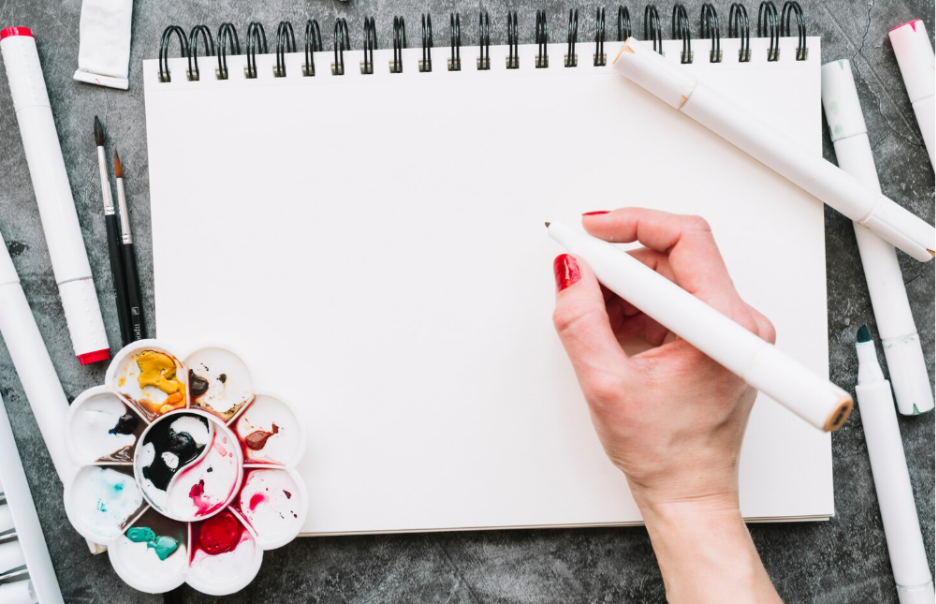
Paper weight defines the ability of a sheet to resist moisture and the repetition of layers. The cartridge paper is usually mid-heavy to heavy, like 140 GSM, thus being dense enough to maintain flatness when in use.
When you put water or several applications of pigment on the page, it does not curl or create waves. This maintains the level of the wash and prevents the pooling of colors in the low places.
Erasing and reworking is also possible with heavier paper. You can erase pencil lines or adjust paint, but leave fibers undamaged. This durability helps in correcting and refining without reducing the strength of the page.
4. Compatibility With Multiple Techniques
The cartridge paper is compatible with various techniques since it can handle both dry and wet applications on the same surface. You can draw with a pencil, with ink, and put a light wash on without changing paper.
For example, you can sketch a graphite composition, outline with a fine liner, and put on watercolor for depth. The paper highlights every step without leaving edges and colors messy.
This flexibility makes it suitable for studies, mixed-media art, and finished pieces. You work on the same surface during the entire process, which keeps your workflow consistent and efficient.
5. Eco-Friendly Material with Professional Performance
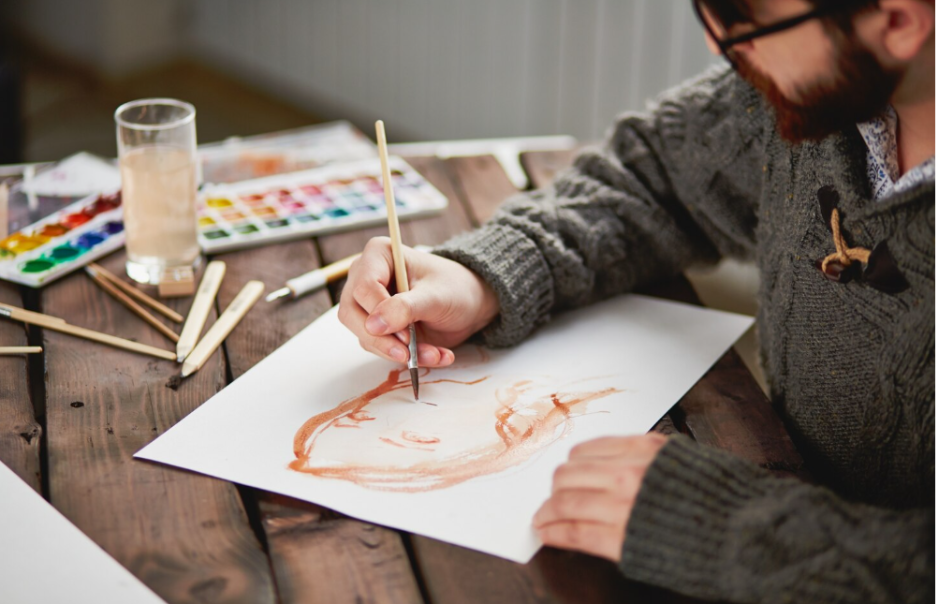
Recycled fibers are used in many cartridge papers, which reduces the environmental impact without compromising quality. These fibers still offer strength, smoothness, and guaranteed absorbency, allowing the surface to be stable when drawing, erasing, and light painting.
The modern recycling processes maintain consistency in texture and thickness. This means that the paper is like the traditional artist paper but consumes less raw materials and less power in the process of manufacturing.
Due to that, the surface is also effective in both studio and classroom applications. You can create on paper, which not only meets the standards of art but also is environmentally friendly and does not diminish performance or reliability.
6. Format That Fits Everyday Creative Needs
Cartridge sheets provide enough space for sketches, studies, and finished artwork. The size fits standard folders, scanners, and frames, which makes storage and presentation easier. You scan, copy, or photograph your work without awkward cropping or resizing, which keeps proportions accurate and image quality intact.
The paper cuts cleanly and holds its edges when trimmed. This keeps artwork neat when you prepare it for portfolios or display, even after repeated handling or mounting.
This format also supports everyday practice and more detailed projects. You move from rough drafts to final pieces on the same type of surface, which keeps your work organized, consistent, and easy to review over time.
Bottomline
Cartridge paper supports both drawing and painting because it combines strength, surface texture, paper weight, and absorbency in one reliable material. It resists tearing under pressure, controls moisture during light washes, holds fine detail, and supports layering across different media without breaking down. Its recycled composition and practical sizing add further value without affecting performance or consistency.
When your paper stays stable and responsive, your tools behave predictably, and your ideas remain clear. That reliability turns simple marks into controlled, finished artwork.