When you’re starting a construction project, one of the first big decisions is how to handle the design and building process. Should you hire an architect separately from your contractor? Or go with a design-build firm that handles everything? I’ve seen projects succeed and fail with both approaches, and honestly, there’s no perfect answer for everyone.
The Fundamental Difference Between These Approaches
The traditional architect-then-contractor model splits responsibilities. Your architect creates the design, draws up plans, and then hands everything off to a contractor who builds it. There’s a clear division between the creative vision and the practical execution.
Design-build firms combine these roles. The same company handles both design and construction, which means one point of contact throughout your entire project. I like how this eliminates the finger-pointing that can happen when something goes wrong – can’t blame the contractor for misinterpreting the architect’s vision when they’re the same team.
Cost Structures: Who Saves You Money When
Money matters, obviously. With an architect, you’ll typically pay a percentage of the total project cost or an hourly rate. This can add up, but a good architect might save you money by avoiding expensive mistakes or finding creative solutions to problems.
Design-build companies often claim to be more cost-effective because they streamline the process. This is sometimes true – they can eliminate redundancies and might have better bulk pricing on materials. But watch out for the flip side.
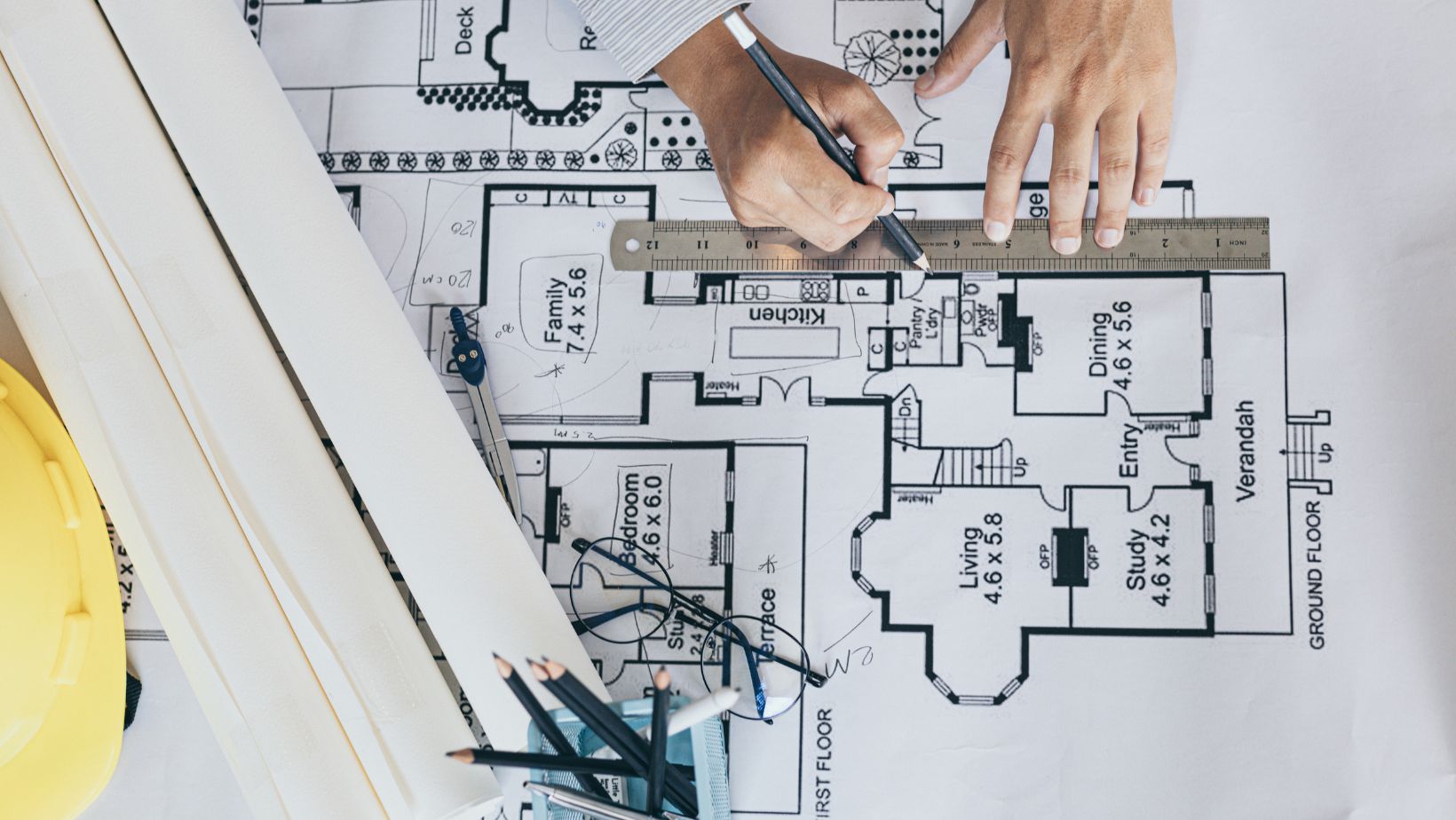
Without separate checks and balances, some design-build firms might not push hard enough to find savings. They know what things cost on their end and might not have incentive to reduce those costs.
Timeline Realities and Project Management
Time is another big factor. The traditional approach takes longer since you complete the design phase before even starting contractor selection. You might wait months between finishing plans and breaking ground.
Design-build can be faster. Design and pre-construction planning often overlap, and since everyone’s on the same team, there’s less back-and-forth. Your kitchen remodel might finish weeks earlier with this approach.
Control vs. Convenience: What Matters More to You
This comes down to your personality. If you want detailed control over every aspect of your project, an architect gives you that. You approve designs before a contractor ever gets involved, and the architect can serve as your advocate during construction.
Design-build offers convenience. One contract, one point of contact, one team responsible for everything. Less stress on your end managing different players, but you might sacrifice some control over the finest details.
Communication Chains: Simple or Complex
Communication flows differently in each model. With separate architects and contractors, information passes through more hands. This can lead to misunderstandings, but also creates a system of checks and balances.
Design-build simplifies communication. You talk to one team who handles everything internally. This works great when things are going well, but can be frustrating if problems arise and you want independent perspectives.
Matching Your Approach to Your Specific Project
So what’s right for you? It depends on your project.
For complex, custom homes or historic renovations, an architect might be worth the extra time and cost. Their specialized expertise and attention to detail can make all the difference.
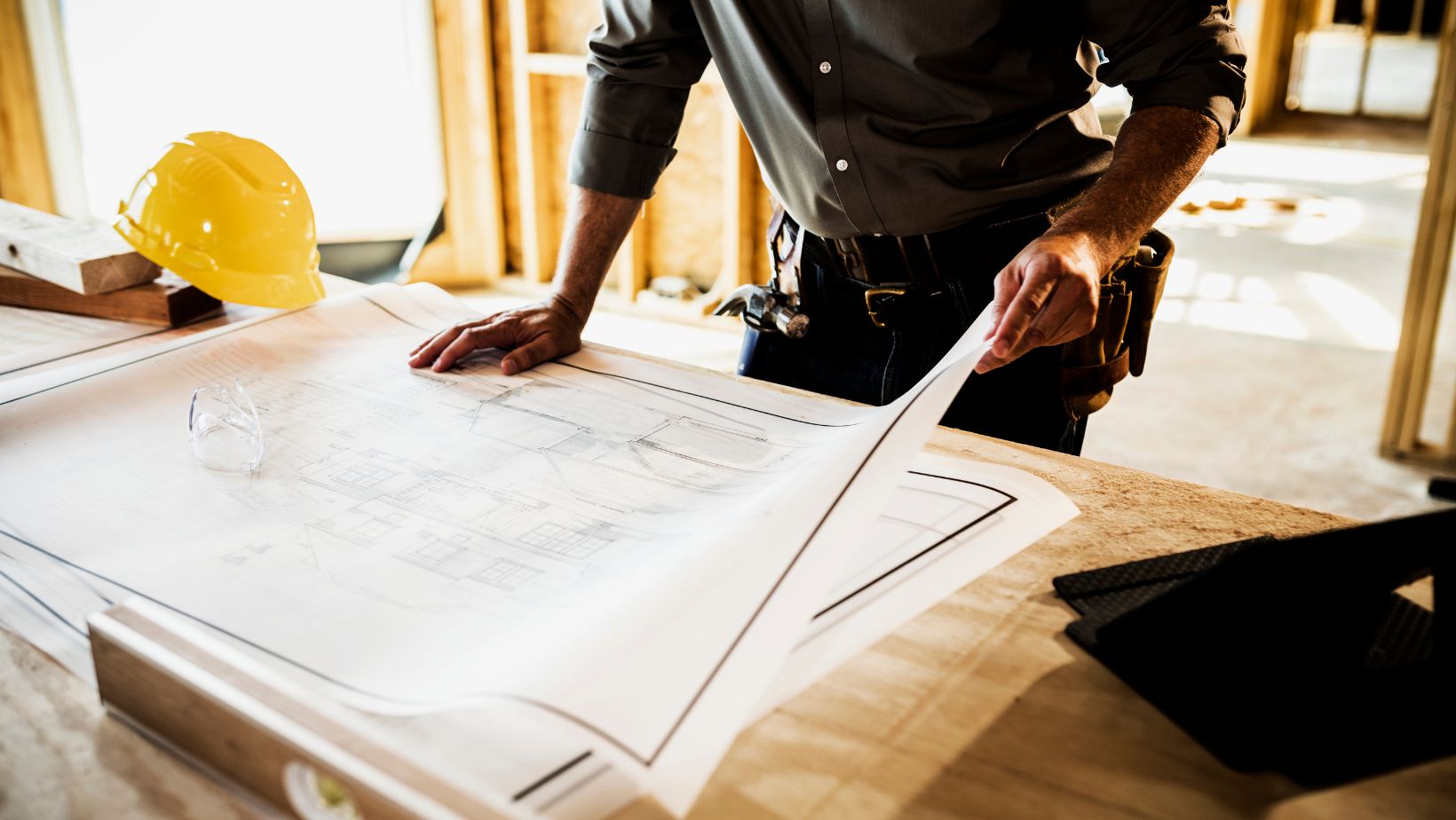
For new home construction, experienced custom home builders with multi-generational expertise often provide an excellent middle ground. Many established builders offer free custom designing services while bringing decades of practical construction knowledge to the table.
For many homeowners, working with a reputable builder who emphasizes transparency and attention to detail can deliver both the design flexibility they desire and the streamlined process they need.
Simpler projects like additions, kitchen remodels, or projects with tight deadlines might benefit from design-build efficiency.
The best advice I can give? Talk to people who’ve done similar projects. Ask about their experiences with both approaches. And be honest about your priorities – is design vision, budget control, or timeline most important to you? Your answer points to which approach will leave you happier when the dust settles.
Final Thought
There’s no perfect system here. I’ve seen gorgeous homes built both ways, and I’ve seen disasters with both approaches too. What matters most is finding professionals you trust.
A talented design-build team can create stunning work, while a mismatched architect and contractor can create headaches for years. Trust your gut when interviewing firms. Ask tough questions. Check references.
Whatever path you take, clear communication and realistic expectations will get you a lot further than which contract structure you pick.