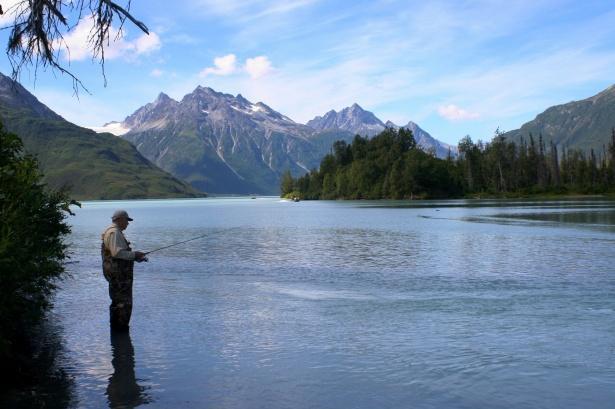
In a world driven by speed, notifications, deadlines, and constant stimulation, activities that force us to slow down have become more valuable than ever. One of the most underrated forms of mental recovery is fishing. On the surface, it may look like a simple outdoor hobby, but psychologically, it offers a rare combination of patience, focus, and disconnection from everyday pressure.
Fishing naturally interrupts the rhythm of modern life. There are no urgent messages, no fast decisions, and no constant switching between tasks. Instead, there is waiting, observing, and reacting only when necessary. This shift alone is enough to calm an overstimulated mind. The nervous system begins to settle when it is no longer pushed to respond every few seconds.
One of the most powerful aspects of fishing is the environment itself. Being near water has a measurable calming effect on the brain. Natural sounds, open space, and slow movement of water reduce mental tension and help regulate stress levels. Unlike artificial environments, nature does not demand attention—it simply exists, allowing the mind to relax into it.
Fishing also teaches patience in a very direct way. In daily life, most results are expected quickly. Emails are answered instantly, content is consumed in seconds, and progress is often measured in short-term gains. Fishing removes that expectation entirely. Hours can pass without immediate results, and that uncertainty trains the mind to accept waiting without frustration.
This experience can be surprisingly therapeutic for people who struggle with overthinking. When the mind has nothing urgent to process, it begins to slow down naturally. Thoughts become less chaotic, and internal pressure starts to decrease. In many cases, solutions to problems appear more clearly after periods of quiet waiting than during active thinking.
Another important element is focus. Fishing requires attention, but not the fragmented kind that modern life demands. It is a steady, calm focus on subtle changes—movement in the water, tension on the line, shifts in the environment. This type of attention strengthens mindfulness without forcing it, making it easier to stay present.
There is also a strong emotional component tied to unpredictability. Not every fishing trip leads to results, and that uncertainty mirrors life itself. Learning to accept outcomes without frustration builds emotional resilience. It teaches that not everything can be controlled, and that patience often matters more than immediate success.
Interestingly, the experience can also include moments of passive entertainment during long waiting periods. Some people use that time to mentally disconnect or engage in light distractions. In modern lifestyle discussions, even digital breaks like browsing platforms such as casino are sometimes mentioned as part of broader leisure habits. However, just like fishing, balance and awareness remain essential to ensure that relaxation stays healthy and intentional.
Fishing also encourages physical stillness, which is increasingly rare today. Most daily routines involve constant movement—walking, typing, commuting, or switching between tasks. Sitting quietly in one place helps reset this pattern. The body relaxes, breathing slows, and the mind follows.
Another subtle benefit is the lack of pressure to perform. Unlike many hobbies or work-related tasks, fishing does not require achievement to feel valuable. The experience itself becomes the reward. This helps reduce performance-based stress, which is a major factor in modern anxiety.
Over time, repeated exposure to such slow-paced environments can reshape how the brain responds to stress. People often find that after spending time fishing, they return to daily life with improved patience and clearer thinking. Small frustrations feel less intense, and decision-making becomes more grounded.
Nature-based activities like fishing also improve emotional regulation. The combination of fresh air, natural light, and reduced stimulation supports better mood stability. Even short sessions outdoors can have lasting effects on mental clarity.
Another important aspect is solitude. Fishing often involves spending time alone or with minimal conversation. While many people initially find this uncomfortable, it eventually becomes restorative. Solitude allows for reflection without external influence, which is essential for processing thoughts and emotions.
At the same time, fishing can also be a social activity. Shared trips with friends or family create calm bonding experiences without the pressure of structured interaction. Conversations flow naturally, without distractions or time constraints, which often leads to deeper connection.
Ultimately, fishing is not just about catching something. It is about slowing down enough to reset the mind. In a world that constantly pushes for speed and productivity, choosing an activity that values patience is a form of mental balance.
It teaches that stillness is not wasted time, but necessary recovery. That waiting is not empty, but restorative. And that sometimes, the best way to move forward mentally is to simply pause and let the mind settle on its own.
In that sense, fishing becomes more than a hobby—it becomes a quiet form of mental training that helps restore clarity, patience, and emotional stability in everyday life.