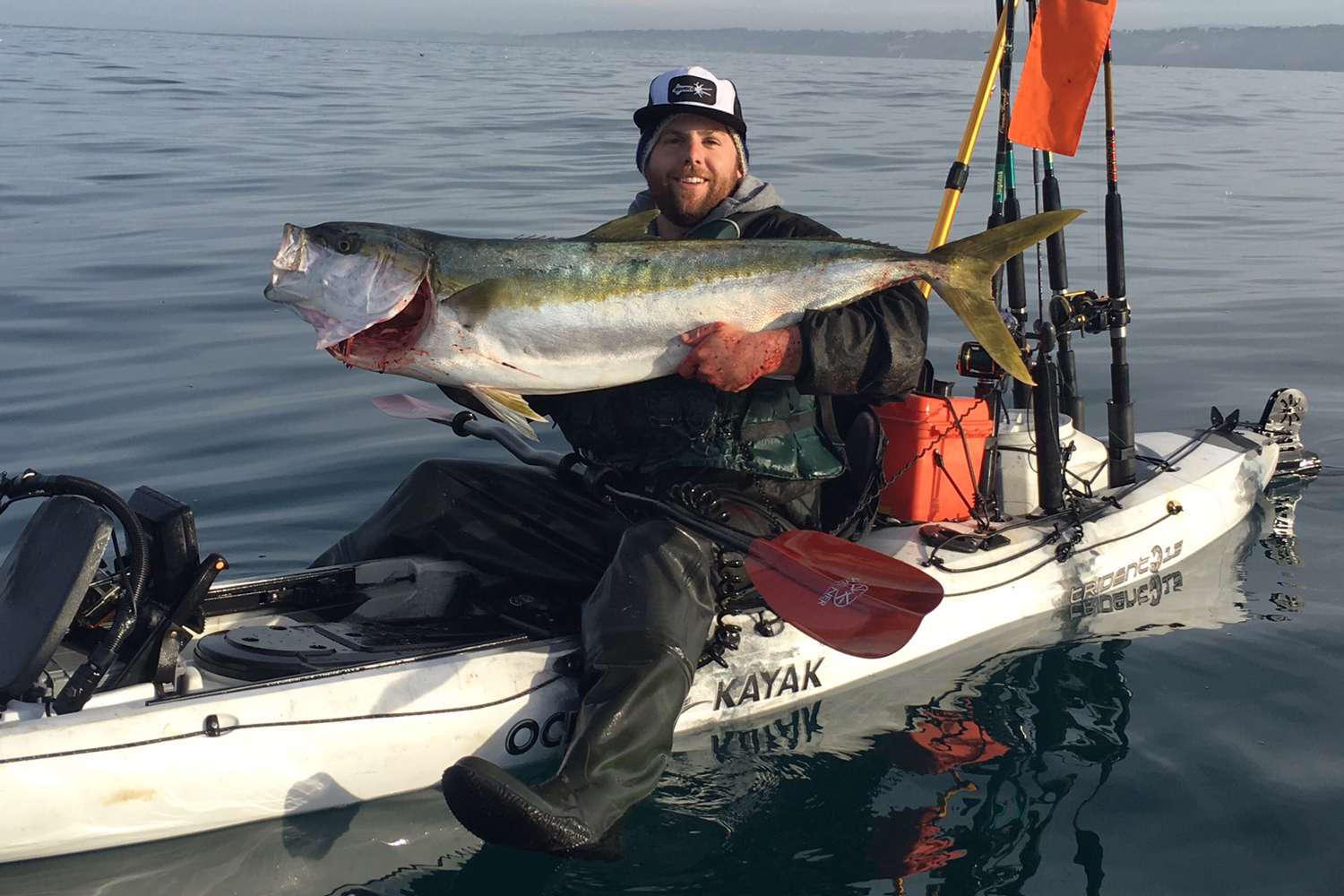
Pontoon boats make family fishing days simple, safe, and comfortable. With a wide, stable deck and flexible seating, they welcome kids, grandparents, and new anglers alike. Outfitting your pontoon with the right mix of safety gear, comfort touches, and fishing add‑ons turns an ordinary outing into a smooth, memorable day on the water.
This guide walks through practical choices that keep everyone happy—clear deck layouts, smart storage, kid‑ready tackle access, and fish‑friendly tools—while building a setup you can adjust for swimming, cruising, or an evening bite.
Table of Contents
ToggleStart with a Family-Friendly Layout
A good layout prevents clutter, keeps lines from tangling, and gives kids space to move safely. Plan zones for sitting, casting, and stowing gear so the day stays organized from launch to load-out.
Seating and Sightlines
● Place primary seating so the captain can see passengers and shoreline activity at a glance.
● Keep at least one forward seat open for a kid “spotter” during slow trolling or when searching for structure.
● If your boat has movable furniture, orient pieces to leave clear walkways along both rails.
Deck Space and Traffic Flow
Reserve the bow or stern as your primary casting zone. Keep coolers, bags, and tackle against rails or under seats. If you’re anchoring to fish over structure, leave the anchor locker and bow cleat clear so setting or adjusting scope is quick and safe.
Safety First, Every Trip
A pontoon’s stability helps new anglers feel confident, but safety gear and simple habits still matter. Check, stage, and brief your crew before lines touch the water.
Must-Have Safety Gear Checklist
● USCG‑approved life jackets sized for each passenger, worn by kids at all times
● Throwable flotation device staged within arm’s reach
● Fire extinguisher, basic first‑aid kit, and a compact tool kit
● Sound and visual signals: whistle/horn, waterproof flashlight, day/night flares (where required)
Kid-Safe Practices
Set a few non‑negotiables: no running on deck, shoes on, and rods pointed skyward when walking. Show kids how to keep fingers clear of hinges and gates. When anchored near current or wind, teach them to keep lines forward of propellers and to tell the captain before moving from bow to stern.
Comfort that Keeps Everyone on the Water Longer
Small comforts reduce complaints and buy you more fishing time. Think shade, hydration, and seating that supports a full day.
Shade and Temperature Control
A solid Bimini or double‑Bimini setup offers reliable midday relief. Add clip‑on sun shades along the rail for low‑angle light or a breeze. In cooler months, carry packable blankets and a windproof layer; in summer, stash sun sleeves and mineral sunscreen.
Seating, Surfaces, and Snacks
Cushions with marine‑grade vinyl wipe clean and dry fast after a swim break. Non‑slip deck mats in high‑traffic areas help kids keep their footing. Dedicate one cooler to drinks and fruit and another to bait or ice for the livewell—label lids so little hands grab the right one.
Fishing Add‑Ons that Work for All Ages
Set up your pontoon so kids can cast quickly, adults can manage rigs, and everyone finds what they need without digging.
Rod Management and Tackle Access
Rail‑mounted rod holders keep rods secure while you bait hooks or net a fish, and they reduce trip hazards. Clip‑on caddies or seat‑base organizers keep pliers, scissors, jigheads, and bobbers at eye level for young anglers. To keep everyone comfortable and organized, consider simple pontoon accessories like rail‑mounted rod holders and clip‑on tackle caddies that can be moved as your crew changes positions.
Livewell and Bait Solutions
If your pontoon lacks a built‑in livewell, portable aerated coolers work well for minnows or small panfish. Mount a cutting board on a rail or use a clamp‑on table for bait prep. Keep a small trash container near the bait station for wrappers and used line.
Fish Finding and Navigation Tech
A compact fish finder with basic sonar and GPS mapping is plenty for most family trips. Save waypoints for kid‑friendly spots—weed edges, docks, and submerged timber that often hold bluegill and bass. Add a bow‑mounted trolling motor with spot‑lock to hold position quietly while you help kids re‑bait or untangle a knot.
Organization Systems that Cut Clutter
Clear storage beats “mystery bins.” Group items by use, label them, and put them back in the same place every trip.
Wet vs. Dry Zones
Keep towels, throw ropes, and swim gear in one aft bin; store paper maps, spare clothes, and electronics in a forward dry compartment. A small hanging mesh bag near the gate is perfect for quick‑drying gloves or buffs.
Snack and Gear Stations
Designate one seat base as the “kid station” with spare bobbers, pre‑tied leaders, and a small towel. Use color‑coded tackle trays—green for panfish, blue for bass—so kids learn where to look. A magnetic strip or small hook rail near the helm holds pliers and line cutters where adults can reach fast.
Anchoring, Drift, and Boat Control
How you hold position shapes the whole experience. Pick a control method that matches your lake and your crew.
Anchoring for Simplicity
For many family trips, a single bow anchor and proper scope keep the boat steady enough for vertical jigging or bobber fishing. Add a stern line only when needed to keep the boat from swinging across lines. Teach kids “anchor talk”: bow line, scope, and hand signals for take‑up or pay‑out.
Trolling and Drifting
If your family prefers to cover water, a bow‑mount trolling motor provides quiet, predictable moves. On breezy days, drift socks slow the boat so kids can keep baits in the strike zone. Always stow drift gear before shifting to swim or snack time.
Simple Maintenance and Pre‑Trip Prep
A few habits keep gear dependable and the day running on time.
Quick Pre‑Launch Checklist
● Charge trolling motor and electronics; confirm GPS basemap and local chart updates
● Inspect fuel level, engine oil, and prop; test bilge and livewell pumps
● Check rods for cracked guides, retie any frayed knots, and top off terminal tackle
● Verify fishing licenses, review weather and wind, and file a float plan with a friend
End‑of‑Day Reset
Rinse salt or silt from reels, lures, and rails. Open compartments to dry. Repack tackle trays and pre‑tie a few rigs for the next outing so kids can start casting right away.
A Sample Family Fishing Day Flow
Launch early and cruise to a calm, kid‑friendly cove. Drop the bow anchor with enough scope to keep the deck steady, then set up the rail‑mounted holders and caddies by your primary casting zone. Start with simple presentations—worms under bobbers near weed edges—so kids get fast feedback. As the sun climbs, shift to shaded seats and let the trolling motor pull you along a drop‑off while older kids throw small crankbaits. Midday, switch the bow into “picnic mode”: rods stowed high, caddies clipped aft, and a quick swim break. Close the day with a short anchor near a dock line where panfish gather, then stow gear in its labeled spots before you head for the ramp.
Conclusion
A pontoon can do it all on family fishing days—teach new anglers, chase a mixed bag, and still leave space for snacks and swims. With a clear layout, reliable safety gear, comfortable seating, and a few fishing‑ready add‑ons, you’ll spend less time sorting gear and more time casting. Build simple systems, brief your crew, and your pontoon will be ready for whatever the day brings—first fish, photo ops, and a smooth ride back to the dock.