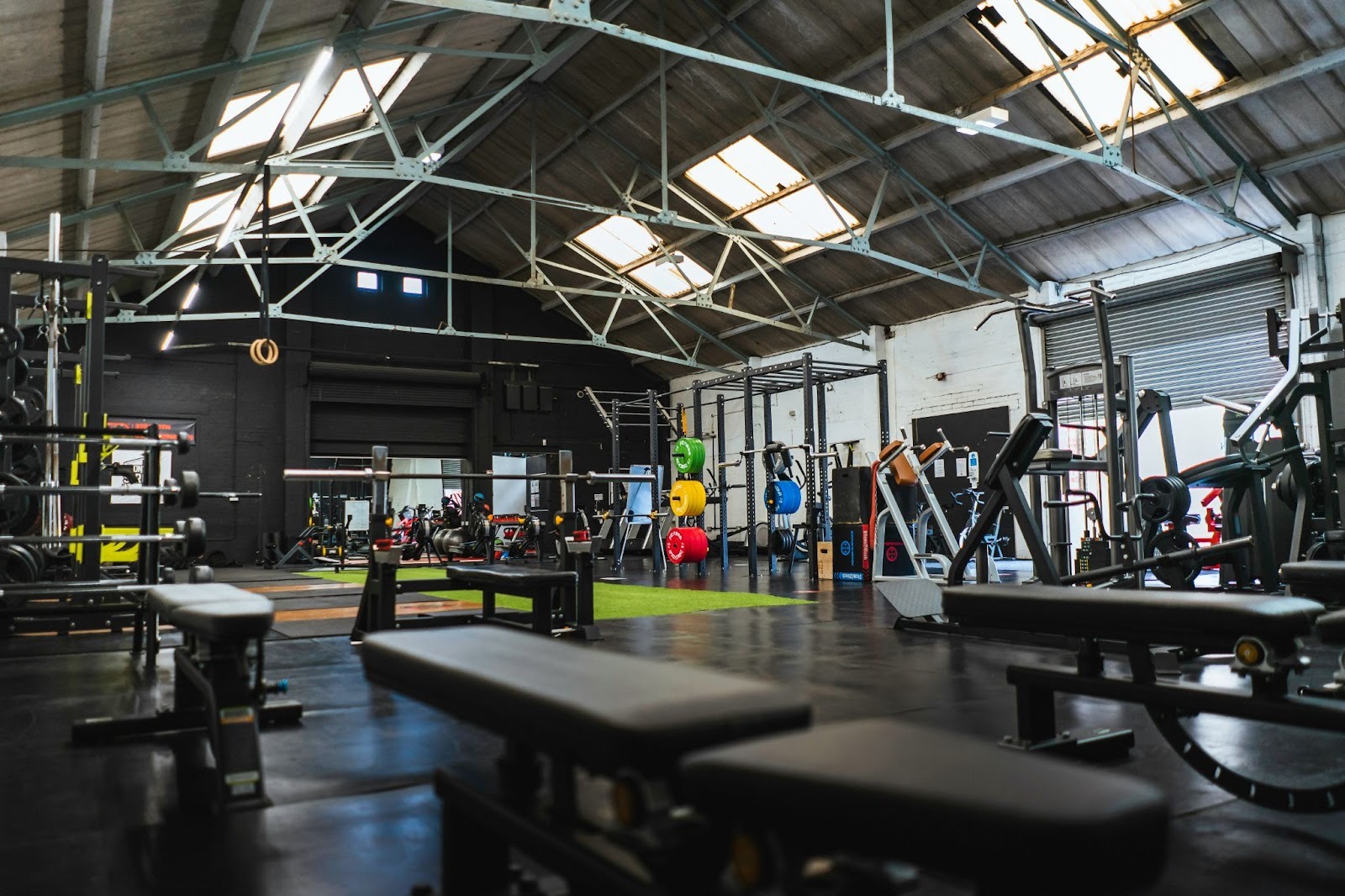
Most gym owners think security is just about locking doors after hours.
But here’s the real problem: modern fitness centers operate 24/7, with limited staff, high member turnover, and valuable equipment on-site. According to the International Health, Racquet & Sportsclub Association (IHRSA), the global health club industry serves over 200 million members worldwide and generates more than $96 billion annually. That scale creates opportunity and risk at the same time.
Unauthorized access, tailgating, locker room theft, and late-night incidents are increasingly common concerns. Meanwhile, members expect frictionless entry, mobile credentials, and fast check-ins.
The solution? Artificial intelligence.
AI is no longer experimental in fitness facilities. It is actively transforming gym access control and member security, helping operators reduce fraud, improve safety, and streamline operations without hiring more staff.
Below are eight specific, verifiable ways AI is reshaping how gyms protect members while enhancing the overall experience.
Table of Contents
Toggle1. Smart 24/7 Access Without Front Desk Staff
Traditional access control required staffed check-ins or basic keycard systems. The issue was simple: card sharing and manual oversight created security gaps.
AI-powered gym access systems now:
- Verify entry credentials instantly
- Track entry patterns in real time
- Flag unusual access times
- Monitor repeated denied attempts
According to a 2024 industry operations survey by Club Industry, nearly 38% of fitness centers now offer 24/7 access, a number that has doubled in the past decade. AI systems make this model sustainable by automating verification and monitoring without needing overnight staff.
Members enjoy round-the-clock convenience. Owners maintain oversight.
2. Tailgating Detection That Stops Membership Abuse
Tailgating is one of the biggest revenue leaks in the gym industry.
When one paying member lets multiple people enter behind them, it:
- Reduces revenue
- Increases overcrowding
- Raises liability risks
AI-powered video analytics can detect when multiple individuals enter on a single credential swipe. Instead of relying on staff to notice the issue, the system flags it instantly.
This matters. The Association of Certified Fraud Examiners reports that small businesses lose an average of 5% of revenue annually to fraud-related issues, including access misuse. In fitness facilities, tailgating is one of the most common forms.
AI reduces this problem without creating confrontation between staff and members.
3. Real-Time Alerts for Unauthorized Access
Older CCTV systems recorded everything but required manual review. AI systems analyze footage as it happens.
Modern gym security platforms can:
- Alert managers if someone forces a door
- Flag propped-open entry points
- Identify repeated denied access attempts
- Notify staff if someone enters outside assigned hours
Instead of reviewing hours of footage after an incident, AI systems send alerts immediately.
This reduces response time dramatically. Research from security analytics firms shows AI-based detection can reduce incident response times by up to 60% compared to manual monitoring.
Faster detection means safer facilities.
4. Integrated Gym Access Control With Video Context
One of the biggest gaps in traditional gym security is disconnected systems. Access control logs live in one dashboard. Cameras live in another.
When something happens, managers must cross-reference timestamps manually.
Today, integrated AI systems link every door event to corresponding video footage. This means:
- Every unlock event is paired with video
- Forced entries show immediate visual context
- Managers can search incidents in seconds
For example, modern platforms such as Coram’s gym access control system demonstrate how AI can unify access control, video intelligence, and emergency management within a single cloud dashboard. Features like 24/7 automated member entry via mobile, card, or PIN credentials; tailgating detection; and real-time alerts show how gyms can monitor access events alongside video feeds without switching tools. Instead of relying on separate vendors, everything is centralized and visible from one interface.
This integration is increasingly important for multi-location gym chains that need centralized oversight.
5. Locker Room and Restricted Area Protection
Locker rooms present unique challenges. Privacy must be protected, yet theft and unauthorized access remain concerns.
AI-enabled gym access systems now:
- Restrict access by time or membership tier
- Detect unauthorized entry into staff-only zones
- Use smart masking to protect privacy in sensitive areas
- Flag unusual lingering behavior in restricted spaces
The U.S. Bureau of Justice Statistics has reported that property theft remains one of the most common crimes in commercial facilities. Gyms, where members carry wallets, electronics, and car keys, are particularly vulnerable.
AI helps monitor high-risk areas without invading personal privacy.
6. Behavioral Analytics That Improve Safety
AI systems can detect unusual behavior patterns rather than just motion.
In gym environments, this might include:
- Someone wandering repeatedly near entry points
- An altercation forming in a common area
- A member collapsing unexpectedly
According to the CDC, regular physical activity reduces health risks, but gyms still see occasional medical emergencies. AI-enabled video analytics can detect falls or abnormal inactivity and trigger alerts to staff faster than human observation alone.
In 24-hour facilities with minimal staff, this can be life-saving.
7. Multi-Location Centralized Control
Fitness franchises and growing gym brands face a scaling challenge. Each location has different staff, schedules, and security risks.
AI-powered gym access control allows:
- Remote credential management
- Real-time monitoring across branches
- Unified reporting dashboards
- Instant lockdown capability if needed
This matters for growing chains. IHRSA data shows that the number of multi-location gym operators continues to increase globally as boutique and franchise models expand.
Instead of relying on local managers alone, corporate teams can maintain consistent safety standards everywhere.
8. Reduced Insurance and Liability Costs
Security investments are not just operational decisions; they are financial ones.
Insurers increasingly evaluate:
- Surveillance coverage
- Access control logs
- Incident documentation
- Risk mitigation systems
Gyms that can provide documented AI-driven access logs and video evidence may reduce liability exposure.
According to Deloitte’s 2024 commercial property risk analysis, organizations using automated monitoring systems experienced up to 25% fewer unresolved security disputes compared to those relying solely on manual systems.
AI systems create audit trails, which protect both members and business owners.
Why AI Matters More in 2026 Than Ever Before
The gym industry is changing. Members expect convenience. Owners face higher labor costs. Liability risks are rising.
At the same time, AI technology is becoming more affordable and accessible. Cloud-based platforms now allow gyms to modernize without massive hardware overhauls.
What used to require large enterprise budgets is now feasible for mid-sized facilities.
The result is a new standard:
smart access, intelligent monitoring, and proactive security.
Key Takeaways
- AI enables secure 24/7 gym access without requiring full-time staff
- Tailgating detection protects revenue and prevents credential abuse
- Real-time alerts reduce response times by up to 60%
- Integrated access control and video systems eliminate manual investigations
- AI enhances locker room and restricted area protection while preserving privacy
- Multi-location gyms benefit from centralized oversight
- Behavioral analytics improve member safety and emergency response
- AI-based documentation can reduce liability and insurance risks
Frequently Asked Questions
Is AI gym access control expensive?
Costs have decreased significantly due to cloud-based models. Many systems now work with existing IP cameras, reducing hardware replacement expenses.
Does AI surveillance violate member privacy?
No. Cameras are used in public areas, and privacy masking protects sensitive zones. Systems must comply with local privacy laws.
Can AI prevent all security incidents?
No system eliminates risk entirely. However, AI significantly reduces response times and improves visibility, which lowers the likelihood and impact of incidents.
Is AI access control only for large gym chains?
Not anymore. Many mid-sized and boutique gyms are adopting AI-based systems because they reduce staffing pressure and operational overhead.
Conclusion: The Future of Gym Security Is Intelligent
Gym security is no longer just about locking doors and reviewing footage after something goes wrong. It’s about preventing problems before they escalate.
AI is helping fitness facilities move from reactive monitoring to proactive protection. From tailgating detection to centralized control, intelligent systems are reshaping how gyms operate.
As member expectations rise and operational challenges grow, the question is no longer whether gyms should adopt AI-based access control.
The real question is:
How soon can your facility implement it to stay ahead?
What security challenge is your gym currently facing that AI could help solve?