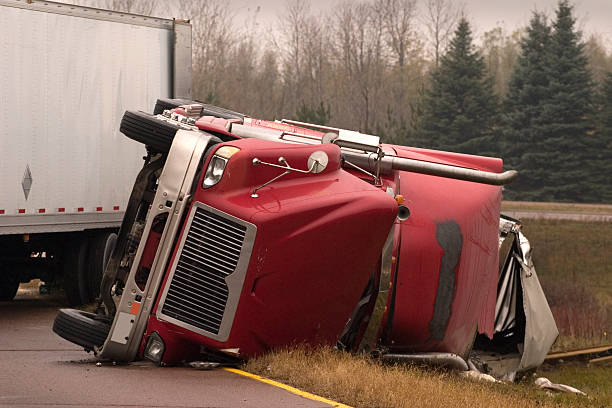
Truck accident attorneys play a crucial role in handling interstate crash cases, which are often far more complex than typical car accidents. These claims can involve federal trucking regulations, multiple liable parties, different state laws, and high-value insurance policies.
When a commercial truck crosses state lines, determining fault and securing compensation becomes more challenging, requiring detailed investigations and a strong legal strategy.
Understanding these complexities can help victims and their families better prepare for what lies ahead. Below are the key factors that make interstate truck accident cases more complicated.
Federal Regulations Governing Interstate Trucking
Commercial trucks that travel between states must follow strict federal safety regulations. These rules are primarily enforced by the Federal Motor Carrier Safety Administration (FMCSA) and cover driver hours, vehicle maintenance, cargo limits, and safety standards.
When a truck accident occurs, investigators must determine whether the driver or company violated any of these federal rules. A violation can serve as strong evidence of negligence in a legal claim. However, interpreting and applying these regulations often requires specialized legal knowledge.
Multiple Parties May Be Liable
Unlike standard car accidents that usually involve two drivers, interstate truck accidents often involve several responsible parties. The truck driver, trucking company, cargo loaders, maintenance contractors, and even vehicle manufacturers may share liability.
Each party may have separate insurance policies and legal representation. Determining who is responsible requires reviewing contracts, employment status, and operational control. This multi-party structure makes legal claims significantly more complicated.
Jurisdiction and State Law Differences
Interstate truck accidents often occur in states different from where the trucking company is based. This creates jurisdictional issues regarding where a lawsuit should be filed. Each state has its own laws related to liability, negligence, and compensation limits.
Attorneys must carefully determine which state’s laws apply to the case. In some situations, federal courts may also become involved. Navigating these legal differences adds another layer of complexity for accident victims.
Complex Insurance Structures
Trucking companies typically carry large commercial insurance policies. Federal law requires interstate trucking companies to maintain higher liability coverage due to the severe damage trucks can cause. These policies can involve multiple insurers and layers of coverage.
Insurance companies often aggressively defend these claims because of the large payouts involved. They may attempt to shift blame, minimize damages, or dispute liability. As a result, negotiating a fair settlement can become a lengthy and challenging process.
Extensive Evidence and Investigation
Interstate truck accident cases require thorough investigation and detailed evidence collection. Important evidence may include driver logbooks, electronic logging device (ELD) data, vehicle maintenance records, black box data, and surveillance footage.
Accident reconstruction experts may also be required to analyze how the crash occurred. Gathering and preserving this evidence quickly is crucial because trucking companies may control much of the documentation. Missing evidence can significantly affect the outcome of a case.
Driver Fatigue and Hours-of-Service Violations
Driver fatigue is one of the most common factors in truck accidents. Federal hours-of-service regulations limit how long truck drivers can operate without rest. These rules are designed to prevent fatigue-related crashes.
However, violations still occur due to tight delivery schedules and pressure from employers. Investigating whether a driver exceeded legal driving limits requires reviewing electronic logs and trip records. If fatigue played a role, it could significantly strengthen a victim’s legal claim.
Cargo Loading and Weight Issues
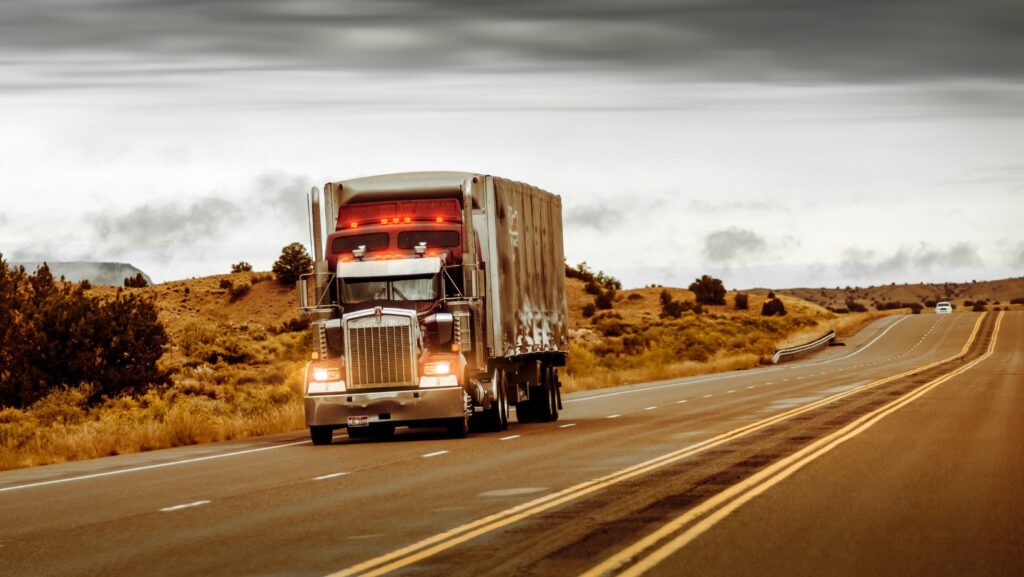
Improper cargo loading is another factor that can contribute to interstate truck accidents. When cargo is not secured correctly, it can shift during transport and cause the truck to lose stability. Overloaded trucks may also struggle to stop safely.
Cargo loading may be handled by third-party companies rather than the driver. If improper loading caused the crash, liability could extend to those companies. Determining responsibility requires detailed documentation and expert analysis.
Corporate Liability and Employer Responsibility
Trucking companies are responsible for hiring qualified drivers and maintaining safe vehicles. If a company fails to properly screen drivers, provide training, or maintain trucks, it may be held legally accountable.
Employers may also be liable under the legal principle of vicarious liability. This means companies can be responsible for actions taken by their employees during work duties. Proving corporate negligence often requires extensive internal records and safety reports.
Severe Damages and High Financial Stakes
Interstate truck accidents often cause catastrophic injuries due to the size and weight of commercial trucks. Victims may suffer traumatic brain injuries, spinal cord damage, or permanent disabilities. These injuries result in extremely high medical and financial losses.
Because damages are so significant, trucking companies and insurers fight these claims aggressively. The higher the financial exposure, the more complex and contested the legal case becomes. This increases the time and effort required to resolve the claim.
Navigating the Complexity of Interstate Truck Accidents
Interstate truck accident cases are far more complex than typical car accident claims, involving overlapping state laws, federal regulations, and multiple potentially liable parties. From analyzing hours-of-service compliance to uncovering critical evidence like electronic logs and maintenance records, every detail plays a role in building a strong case.
With large insurance policies at stake, these claims are often heavily contested, requiring thorough investigation and strategic legal action. Ultimately, understanding these complexities is essential to pursuing fair compensation and holding the responsible parties accountable.