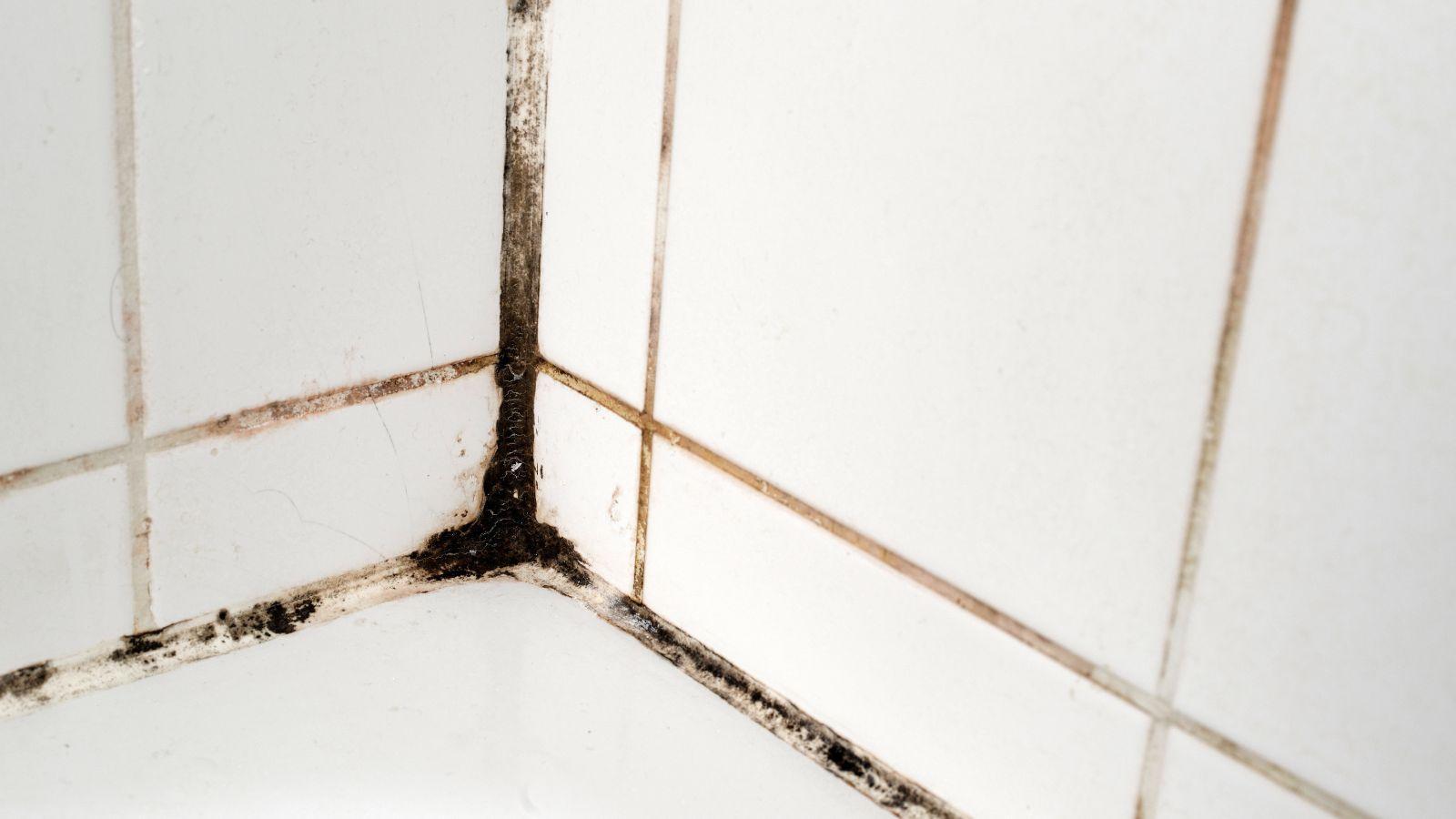
That black patch in the corner of the shower is easy to ignore. You wipe it, it fades, and a few weeks later it’s back. Most people treat it as a cosmetic problem, but it can affect your health, and before you reach for the bleach again, it’s worth taking a closer look at what it’s really doing.
Table of Contents
ToggleWhat Mould Does to Your Lungs
Damp walls grow mould, and mould releases tiny spores into the air you breathe. Some species also produce mycotoxins, which are chemical compounds that can irritate the airways. For most healthy adults this means a stuffy nose or a bit of coughing. For others it can be far worse.
NHS guidance points to children, older adults, and anyone with asthma, COPD or a weakened immune system as the groups most at risk. In these people, spores can trigger wheezing, tight chests and repeated chest infections. Long spells of exposure can make existing breathing conditions harder to control, which is why damp homes and childhood asthma so often go hand in hand.
Why One Child’s Death Changed the Law
In December 2020, two-year-old Awaab Ishak died in a one-bedroom flat in Rochdale after prolonged exposure to black mould his family had reported since 2017. In November 2022, the coroner ruled the mould was a direct cause of his death. The case forced a national rethink and led to Awaab’s Law, which came into force for the social rented sector on 27 October 2025 and sets strict time limits for dealing with damp and mould once it’s reported.
Under phase one, social landlords must investigate a reported damp and mould hazard within 10 working days and make the property safe within five working days of that inspection. Emergency hazards must be made safe within 24 hours.
What changed is that mould stopped being treated as a housekeeping nuisance and became a recognised risk that landlords can be held responsible for. If you rent, that matters. If you own your home, it’s a fair signal that the problem deserves proper attention.
When Retiling Just Won’t Fix It
Some bathrooms will grow mould no matter how carefully you clean them. Grout is porous and holds moisture, and old sealant around baths and showers cracks and lets water sit behind it. If you’ve retiled twice and the black lines keep coming back, the surface itself may be the problem.
This is where a different wall finish can help. Hygienic PVC cladding, of the kind used in hospitals and food preparation areas, gives a sealed surface with no grout lines for mould to take hold in. UK suppliers like Simply Cladding stock the same specification for domestic bathrooms. It wipes clean and doesn’t soak up moisture the way tiled walls can.
How to Find the Real Cause
Cladding treats the symptom on the wall, but mould always starts with excess moisture. Before spending on anything, work out where the damp is coming from. In most bathrooms it’s one of three things:
- Poor ventilation, so steam has nowhere to go
- Cold spots on walls where warm, wet air condenses
- Water getting in through a leaking pipe, roof or seal
An extractor fan that actually vents outside makes a huge difference, as does opening a window after a shower. If a wall feels cold and damp even when the room is warm, you may have an insulation gap that needs looking at.
How to Clean It Off Safely and When to Call Someone
For small patches, warm water and washing-up soap on a cloth will lift surface mould perfectly well. Bleach kills what you can see but does nothing about the roots or the damp underneath, so growth tends to return. Wear a mask and gloves, and don’t dry-brush it, as that flings spores into the air.
Call a professional if the affected area is bigger than about a square metre, if it keeps coming back after cleaning, or if there’s a leak you can’t trace. If you rent, report it to your landlord in writing and keep a record. Under Awaab’s Law, social landlords now have to act within set timescales, and the written record is what protects you if they don’t.
Fix the Cause, Not Just the Surface
Mould at home is a health matter as much as a decorating one, and the people most affected are usually the ones least able to shrug it off. A tougher wall finish will stop the visible growth returning on that surface, which is real progress in a bathroom that keeps failing.
Just don’t stop there. If the air stays damp and the room stays cold, the mould will simply find a new surface to grow on. Fix the ventilation and heating at the same time, and you deal with the cause instead of chasing it around the room.