Creating a wedding album is one of the last, and most important, steps in preserving a couple’s special day. But if you’re wrangling with the difference between “flat lay” and “lay-flat,” you’re not alone. These terms sound similar, and they do overlap a bit, but choosing the right format can have a big impact on how the album looks, feels, and functions.
Let’s take a deeper look at what each term means, how the formats differ, and which one might be a better fit depending on the style of the wedding, how the album will be used, and what the couple values most.
What’s the Real Difference Between Flat Lay and Lay-Flat?
First, a bit of clarification. “Flat lay” and “lay-flat” often get used interchangeably, but they mean entirely different things, especially in the world of photo albums.
Flat Lay: A Style of Photography
A “flat lay” is a photography term. It refers to an image taken from directly above an arrangement of items laid flat on a surface. Think carefully curated shots of wedding details like rings, invites, or jewelry, artfully placed and shot from above.
So, if someone recommends doing some “flat lay” on your wedding day, they’re likely talking about capturing those styled detail shots, not about the physical album format itself.
Lay-Flat: A Type of Album Binding
“Lay-flat,” on the other hand, refers to how a photo album is constructed. This format uses a special binding technique that allows the pages to open fully and lie completely flat. There’s no binding curve in the middle, so you can span your images seamlessly across two pages – ideal for panoramic shots and full-spread storytelling.
If you’re choosing between album types, “lay-flat” is the option you’re weighing. Not “flat lay.”
Why Lay-Flat Albums Are Popular for Weddings
It’s not just a visual upgrade – lay-flat albums come with real advantages when it comes to wedding photography.
Seamless Panoramic Spreads
One of the biggest reasons couples and photographers gravitate to lay-flat albums is the ability to place a single photo across an entire spread without losing part of the image in a center crease. This is perfect for:
- Wide ceremony shots
- Sweeping landscape images
- Large group photos
When a stunning moment or location deserves the full canvas, lay-flat albums deliver.
Higher Quality Materials
Lay-flat albums are often associated with premium quality. They usually come with thicker pages, better paper finishes, and more luxe covers. The mechanics of the binding often go hand-in-hand with a higher-end production process overall.
Long-Term Durability
Because of their structure, lay-flat albums are often more durable. Their thick, rigid pages resist bending, and the tight, well-constructed spine holds up better over decades – which is important for a book that’s meant to last generations.
When Flat Lay (the Style) Becomes Part of the Album Design
While flat lay photography isn’t a binding type, it does have a role in shaping the feel of a wedding album, particularly in the storytelling.
Photographers often begin a wedding album with a series of flat lay detail shots, using them to introduce the day. These can include:
- The wedding invitation suite
- Accessories like shoes, cufflinks, and rings
- Florals, perfume, hand-written vows
Including these elements adds character and context, giving a quiet prelude to the larger moments that follow. So while “flat lay” doesn’t refer to the book format, its presence in the design is significant.
Choosing the Right Album Format Based on the Wedding
Now that we’ve sorted out the terminology, the real question is: when should you choose a lay-flat album, and when is something else more appropriate?
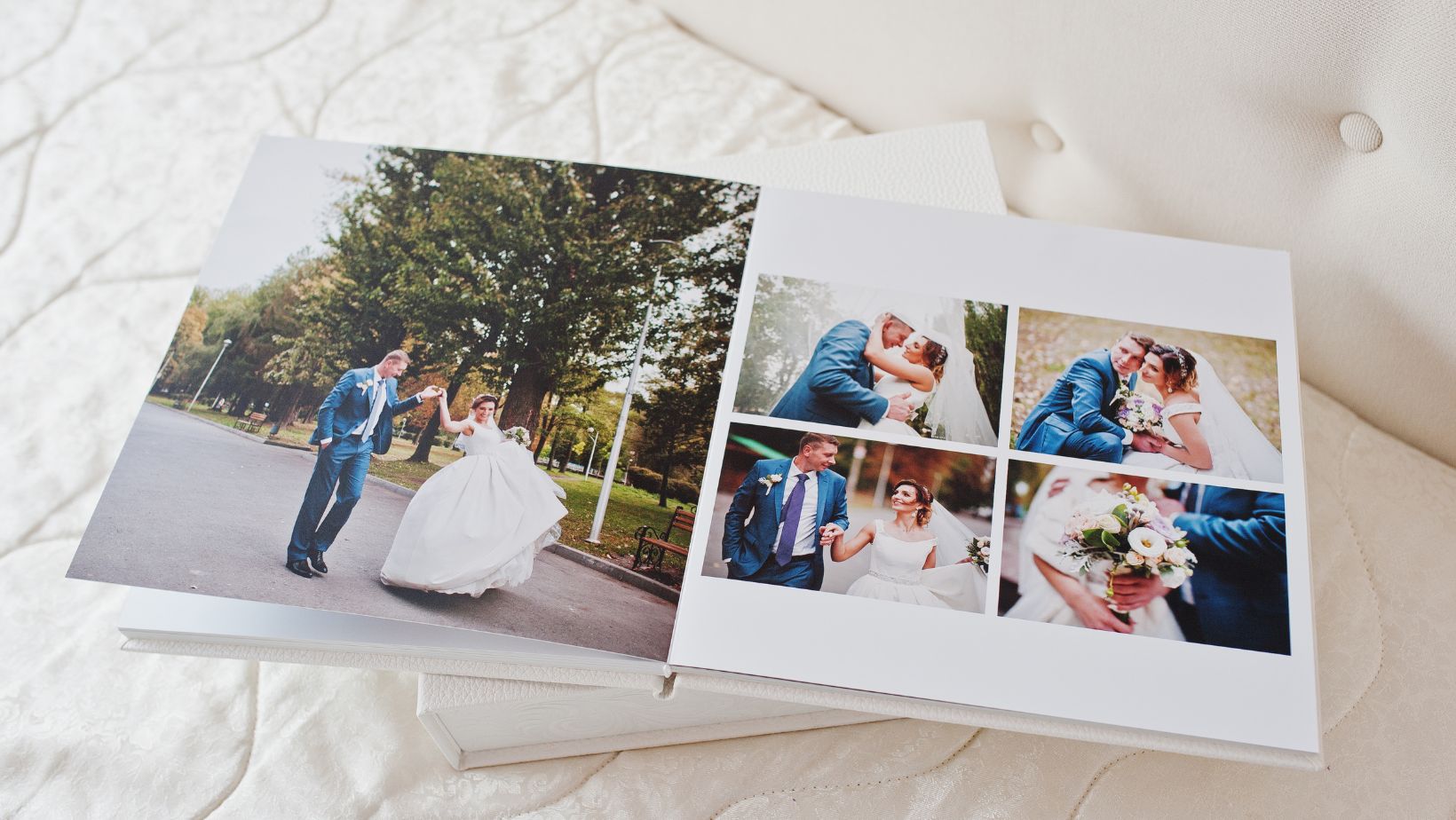
Lay-Flat Albums Are Ideal When:
- The couple values design and presentation. Lay-flat albums provide a clean canvas for polished storytelling.
- The photos are dramatic, scenic, or large-scale. If you have sweeping landscapes, cathedral interiors, or aerial drone shots, these look best across a full spread.
- The album is meant to be an heirloom. These books are built to last and often designed with that in mind.
- You want a truly modern feel. Lay-flat albums have a sleek, minimal look that feels contemporary but timeless.
Consider Regular Albums (Non-Lay-Flat) When:
- The budget is tighter. Lay-flat albums typically cost more due to materials and construction.
- You want a casual or minimalist feel. Some couples prefer a smaller, thinner book for a low-key memory piece.
- The photography style is documentary. If the focus is more on candids and less on bold spreads, a traditional album may suit the tone.
How to Know What’s Perfect for Your Client (or Yourself)
If you’re a photographer, choosing the right album format should be part of the consultation process. Think through the couple’s wedding day, their personalities, and how they want their story preserved.
For couples, talk to your photographer or album designer early on. Review sample books, feel the materials, and see layouts for yourself. It’s easier to envision the impact a lay-flat album will have when you’re physically holding one.
You can also browse real wedding album examples to see how different formats bring stories to life.
Final Thoughts: It’s Not Either-Or
Here’s the thing, flat lay and lay-flat aren’t competing options. One refers to a style of photography, the other to a binding format. But together, they form a powerful pairing that can turn a stack of photos into a compelling, heirloom-quality keepsake.
Understanding the difference means you can communicate better with your photographer or designer and make more intentional choices. Whether you’re preserving your own memories or helping clients personalize theirs, knowing when and why to use a lay-flat album makes all the difference.
If you’re ready to create a meaningful, well-designed album, start by thinking about the story you want to tell – and give those big, beautiful moments space to shine.