
Hair transplant procedures are often discussed in terms of technique, FUE versus DHI, manual versus motorized extraction, sapphire blades versus traditional tools. While these distinctions matter, they rarely tell the full story.
For patients, what ultimately matters is not the method used, but the result achieved months later. Density, natural appearance, growth direction, and long-term sustainability are the outcomes that define success. And increasingly, those outcomes are shaped less by the technique itself and more by the clinic behind it.
What “Good Results” Actually Mean
A successful hair transplant is not simply about regrowing hair. It is about creating a result that looks natural under real-world conditions.
This includes:
- a hairline that matches facial structure and age
- consistent density without unnatural clustering
- proper angling of grafts to mimic natural growth
- a balanced use of the donor area to support future needs
These elements require a level of planning and precision that goes beyond the technical steps of the procedure.
Why Technique Alone Isn’t Enough
FUE and DHI are now widely available across most clinics in Turkey and beyond. On paper, this creates the impression that results should be relatively similar regardless of where the procedure is performed.
In reality, the same technique can produce very different outcomes depending on how it is applied.
Two clinics may both offer FUE, but differ in:
- how grafts are extracted and preserved
- how the hairline is designed
- how density is distributed across the scalp
- how much attention is given to long-term hair loss progression
This is where clinic choice becomes the defining factor.
Consistency vs. One-Off Results
Online galleries are filled with impressive before-and-after images, but not all results are equally representative. Some clinics showcase a small number of standout transformations, while others demonstrate consistent outcomes across a wide range of patients. The difference lies in process control.
Clinics that follow repeatable methods, combining medical oversight, structured workflows, and experienced teams, are more likely to deliver reliable results regardless of case complexity. For patients, this consistency is often a more meaningful indicator of quality than isolated success stories.
Where Clinics Begin to Differ
While technique sets the foundation, execution ultimately defines the outcome. This becomes more apparent when looking beyond surface-level offerings and comparing how clinics structure and deliver their procedures in practice.
Now Hair Time, for example, has developed a model that prioritizes both planning depth and execution consistency. Its approach is built around maximizing graft coverage based on medical need rather than predefined pricing tiers, allowing for more complete and balanced density, particularly in cases requiring larger coverage. This is supported by detailed pre-procedure assessment, where donor capacity, hair characteristics, and long-term loss patterns are evaluated before any decisions are made.
For patients exploring options for a hair transplant turkey, this type of structured, needs-based approach often stands out. It reflects a system where outcomes are driven by clinical planning rather than operational constraints, helping reduce variability between cases and supporting more predictable results.
Other clinics tend to follow different models. Some focus heavily on technical analysis but operate within more rigid frameworks that limit flexibility in execution. Others prioritize accessibility and higher patient volume, which can affect how much time and individual attention is given to each procedure.
These differences are not always obvious in marketing materials, but they become increasingly visible over time, particularly in how natural the results look and how well they hold up as hair continues to grow and change.
The Impact of Execution on Natural Appearance
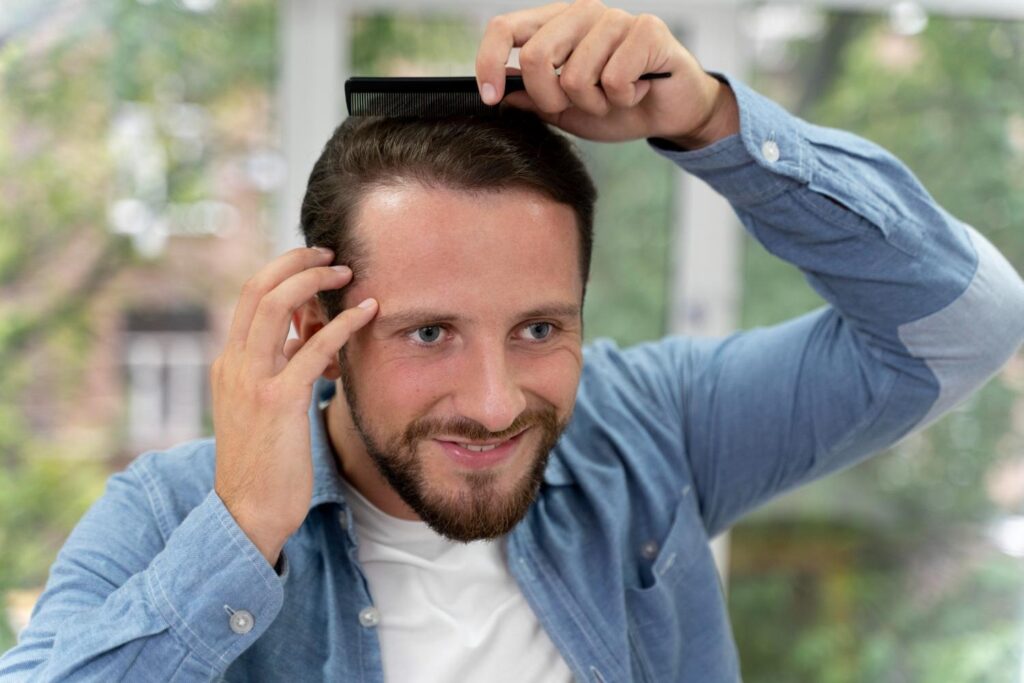
Natural-looking results depend on details that are easy to overlook but difficult to replicate.
Hairline design, for instance, requires an understanding of facial proportions and aging patterns. Graft placement must follow the natural direction of hair growth, which varies across different areas of the scalp. Density must be distributed in a way that avoids both gaps and unnatural uniformity.
These are not elements dictated by technique, they are determined by the skill and coordination of the team performing the procedure.
Healing Process is Crucial
Even with a well-executed procedure, results continue to develop over time. The healing process, graft survival, and natural growth cycles all play a role in shaping the final outcome.
Clinics that provide structured aftercare tend to achieve more stable and predictable results. Patients are guided through each stage of recovery, from the first post-operative wash to longer-term scalp care, while follow-up communication allows medical teams to monitor progress and address any concerns early.
This ongoing support is not just a convenience, it directly impacts outcomes. According to the American Academy of Dermatology, proper post-procedure care is essential for supporting healing and maintaining healthy hair growth conditions. In the context of hair transplantation, this translates into improved graft retention and more consistent development over time.
Clinics that remain engaged after the procedure tend to deliver results that are not only successful in the short term, but also more reliable as the hair continues to mature.
Rethinking How Clinics Are Evaluated
As the industry matures, patients are becoming more informed. Instead of focusing solely on technique or price, they are beginning to evaluate clinics based on outcomes.
This shift reflects a broader understanding: that hair transplantation is not defined by the tools used, but by how effectively those tools are applied.
Clinics that combine planning, execution, and follow-up into a cohesive process are the ones that consistently deliver results that look natural, last over time, and meet patient expectations.
Technique will always play a role in hair transplantation, but it is no longer the primary differentiator. In a market where most clinics offer similar methods, the real difference lies in how those methods are executed.
For patients, this means looking beyond labels and focusing on what truly matters, results. And in that equation, the clinic itself remains the most important variable.