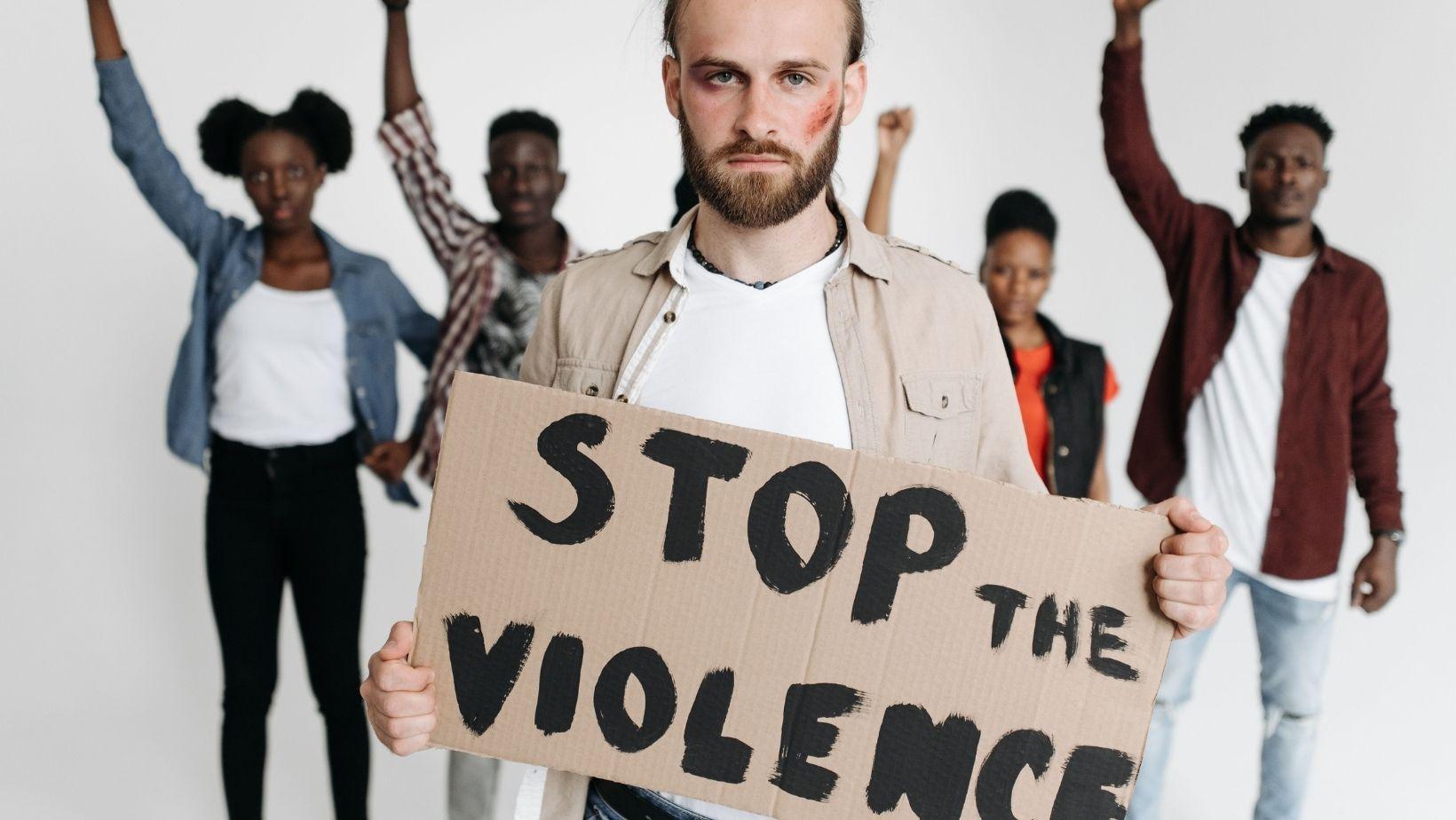
Sexual violence is a widespread problem that affects millions of people globally, regardless of their social status, gender, age, or race. And while there is increased advocacy and efforts, many misconceptions about sexual violence still exist in today’s society.
These misconceptions not only blame the survivors but also minimize the responsibility of sexual offenders and undermine the efforts to support victims and prevent future sexual abuse incidents. Let’s look at the common misconceptions about sexual assault that prevent survivors from seeking help.
Table of Contents
Toggle1. Only Women Experience Sexual Assault
The idea that only women experience sexual assault is probably the most prevalent misconception about sexual violence. Women are disproportionately affected by sexual violence, but it also happens to men and boys. In fact, nearly 25% of men in the United States have experienced some form of sexual abuse at some point in their lives, and about 50% of transgender people experience sexual assault in their lifetime.
2. Every Assault Survivor Has Visible Physical Injuries
This is another widespread stereotype that sexual assault victims must have visible physical injuries. The truth is, most sexual assault victims don’t have physical injuries, but they may suffer a great deal of emotional distress and trauma. This misconception often results in victim-blaming attitudes, where people may question the validity of a sexual assault survivor’s experience when there are no visible physical injuries.
3. Sexual Assault Is Usually Committed by a Stranger
A lot of people believe that sexual violence is usually perpetrated by strangers, but they can never be more wrong. In fact, the opposite is true: sexual assault is usually committed by someone close to the survivor, such as a family member, a friend, or an intimate partner.
According to this research, you are more likely to be sexually assaulted by someone close to you than by a stranger. This unfortunate misconception has prevented a lot of survivors from recognizing sexual abuse from close people and seeking help.
4. If a Survivor Didn’t Fight Back, It Wasn’t Sexual Assault
Different people react differently to trauma, and ‘freezing’ is a normal reaction. Some people can freeze and fail to physically fight back when they are being assaulted. In any case, sexual offenders are not looking for a physical fight, and they usually use different forms of threats, coercion, and manipulation to commit sexual assault.
Many survivors don’t fight back because they are terrified and believe that cooperating offers the best chance of survival. Additionally, sexual offenders often use drugs such as alcohol and other hard drugs to incapacitate victims.
5. The Way Someone Dresses or Behaves Causes Sexual Assault
It’s quite unfortunate that today there are still people who believe that survivors are to blame for their assault. These people believe that the way a survivor dressed or behaved is what triggered the assault.
By blaming the survivor, this misconception takes accountability away from the perpetrator and wrongly portrays sexual assault as an act of desire instead of one of power and control. The truth is, no one deserves to be sexually assaulted, regardless of how they behave or dress.
Endnote
The fact that these misconceptions still exist today is sad. These damaging beliefs ought to be challenged in order to create a safer, more supportive environment for survivors.